India’s luxury watch journey reaches another defining milestone this September.
From 28 September to 1 October 2026, Mumbai will host the Grand Prix d’Horlogerie de Genève (GPHG) Exhibition, presented by Ethos. Recognised globally as the “Oscars of Watchmaking,” the travelling exhibition brings together the year’s finest nominated timepieces, offering collectors, enthusiasts and industry professionals a rare opportunity to experience contemporary haute horlogerie up close before the winners are announced in Geneva.
The exhibition reflects India’s growing stature in the international watch industry and highlights the country’s rapidly expanding community of knowledgeable collectors. Over four days, visitors will have the opportunity to discover exceptional creations that showcase innovation, craftsmanship and mechanical excellence from some of the world’s most celebrated watchmakers.
A Rare Encounter with the World’s Finest Timepieces
Unlike the awards ceremony itself, the travelling GPHG Exhibition allows watch enthusiasts to experience the shortlisted watches firsthand. The Mumbai showcase will feature finalists across multiple award categories, ranging from complicated mechanical masterpieces and sports watches to artistic métiers d’art creations and groundbreaking independent watchmaking.
For many collectors, this is a unique chance to compare some of the year’s most significant horological creations side by side, all under one roof.
Why Mumbai Matters
India has steadily emerged as one of the most exciting luxury watch markets in the world. A new generation of collectors, increasing appreciation for independent watchmakers and growing demand for high-end Swiss timepieces have transformed the country into an important destination for global maisons.
Bringing the GPHG Exhibition to Mumbai is recognition of this momentum. It demonstrates the confidence that the international watch industry has in India’s collector community while creating a platform for enthusiasts to engage more deeply with contemporary watchmaking.
Ethos Continues to Shape India’s Watch Culture
As India’s leading luxury watch retailer, Ethos has consistently invested in building awareness around fine watchmaking through exhibitions, educational initiatives and partnerships with global brands.
Hosting the GPHG Exhibition further strengthens that commitment, giving Indian audiences direct access to watches that represent the very best of modern horology and reinforcing India’s place within the global watchmaking conversation.
A Must-Visit Event for Every Watch Enthusiast
Whether you’re a seasoned collector, an aspiring enthusiast or simply fascinated by mechanical craftsmanship, the GPHG Exhibition promises an extraordinary experience.
From 28 September to 1 October 2026, Mumbai becomes a destination where innovation, artistry and centuries of watchmaking tradition come together, offering a glimpse into the future of haute horlogerie.
The Grand Prix d’Horlogerie de Genève (GPHG) once again delivered a night filled with craftsmanship, innovation and emotion — and the 2025 edition might just be one of the most diverse lineups we’ve seen in years. From ultra-thin record-breakers to artistic métiers d’art creations and bold independents rewriting the rulebook, this year’s winners represent the very best of watchmaking today.
Here’s a complete breakdown of every winning timepiece from GPHG 2025.
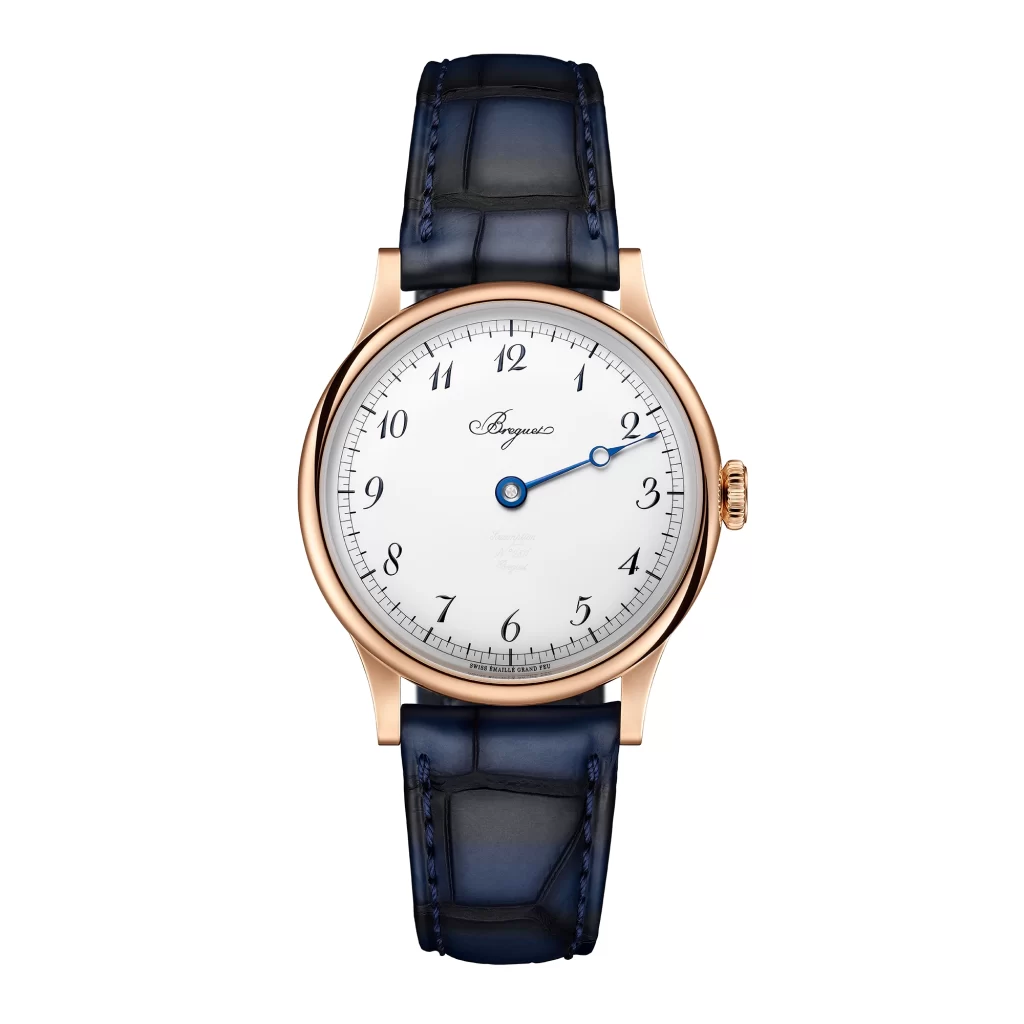
Aiguille d’Or Grand Prix — Breguet
Classique Souscription 2025
Breguet took home the top honour with the Classique Souscription 2025 — a tribute to purity, precision, and the maison’s unmistakable signature aesthetics. Slim, elegant, and rooted deeply in its history, this piece captures the true spirit of high horology.
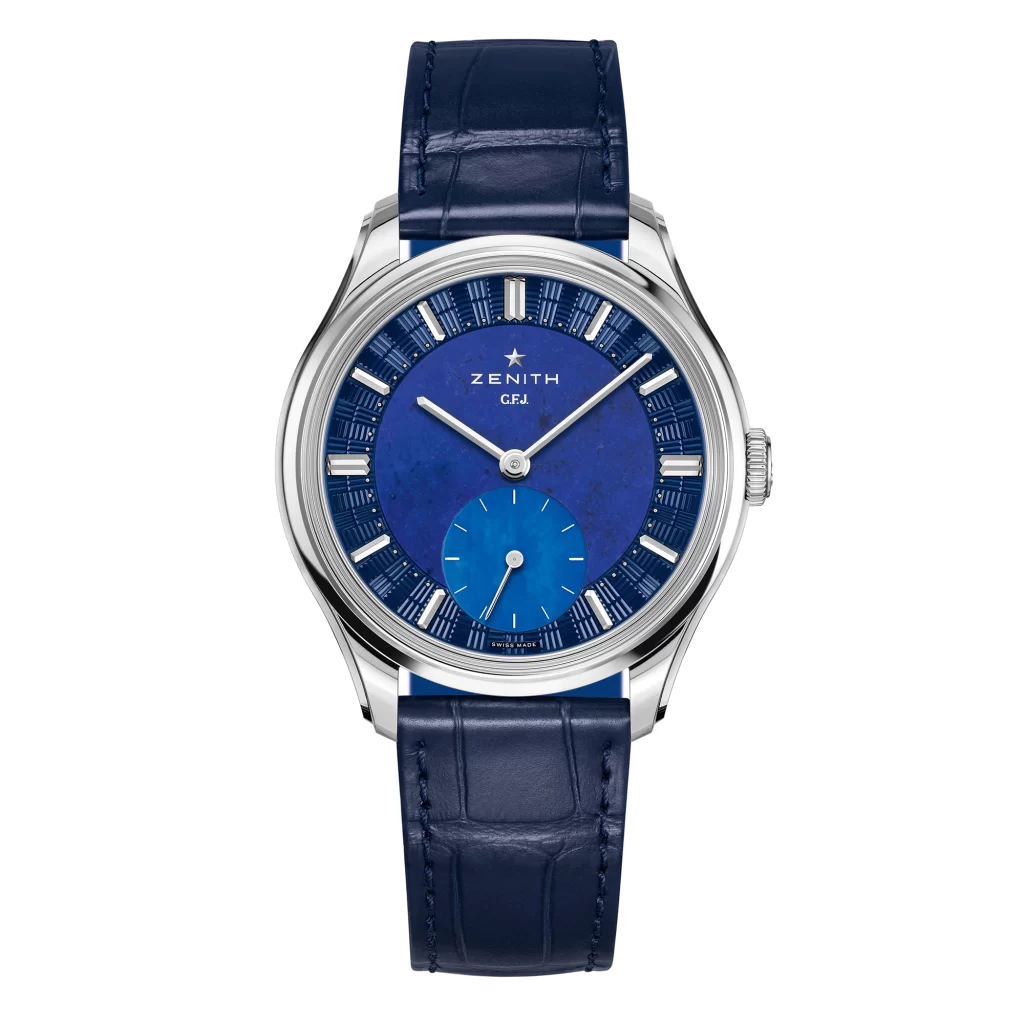
Chronometry Prize — Zenith
G.F.J. Calibre 135
Zenith impressed with a masterclass in accuracy. The Calibre 135 remains a benchmark in chronometry, and its modern interpretation bridges heritage with contemporary execution in a remarkably refined package.
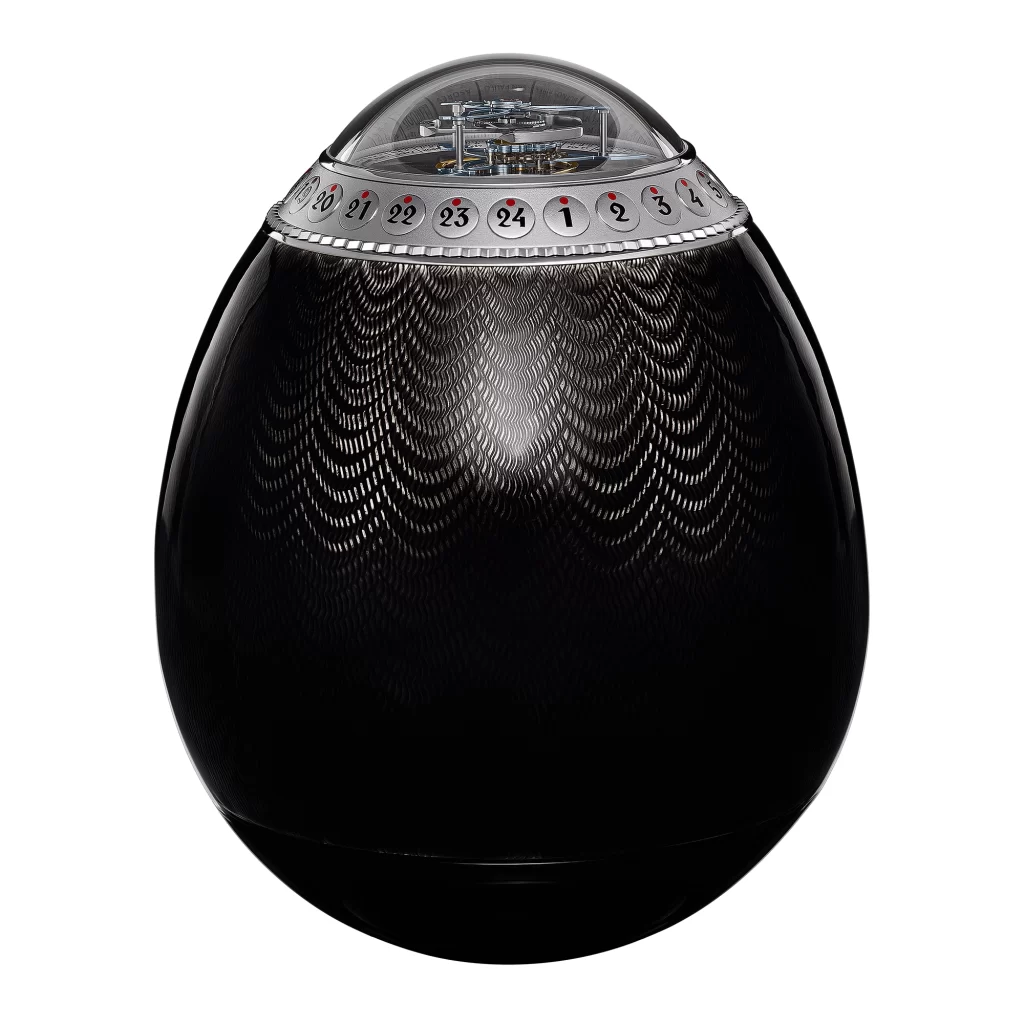
Horological Revelation Prize — Anton Suhanov
St. Petersburg Easter Egg Tourbillon Clock
Anton Suhanov delivered one of the most poetic creations of the night. His tourbillon clock, shaped like a jewelled Easter egg, blends mechanical virtuosity with Russian artistic heritage. A stunning triumph for independent creators.
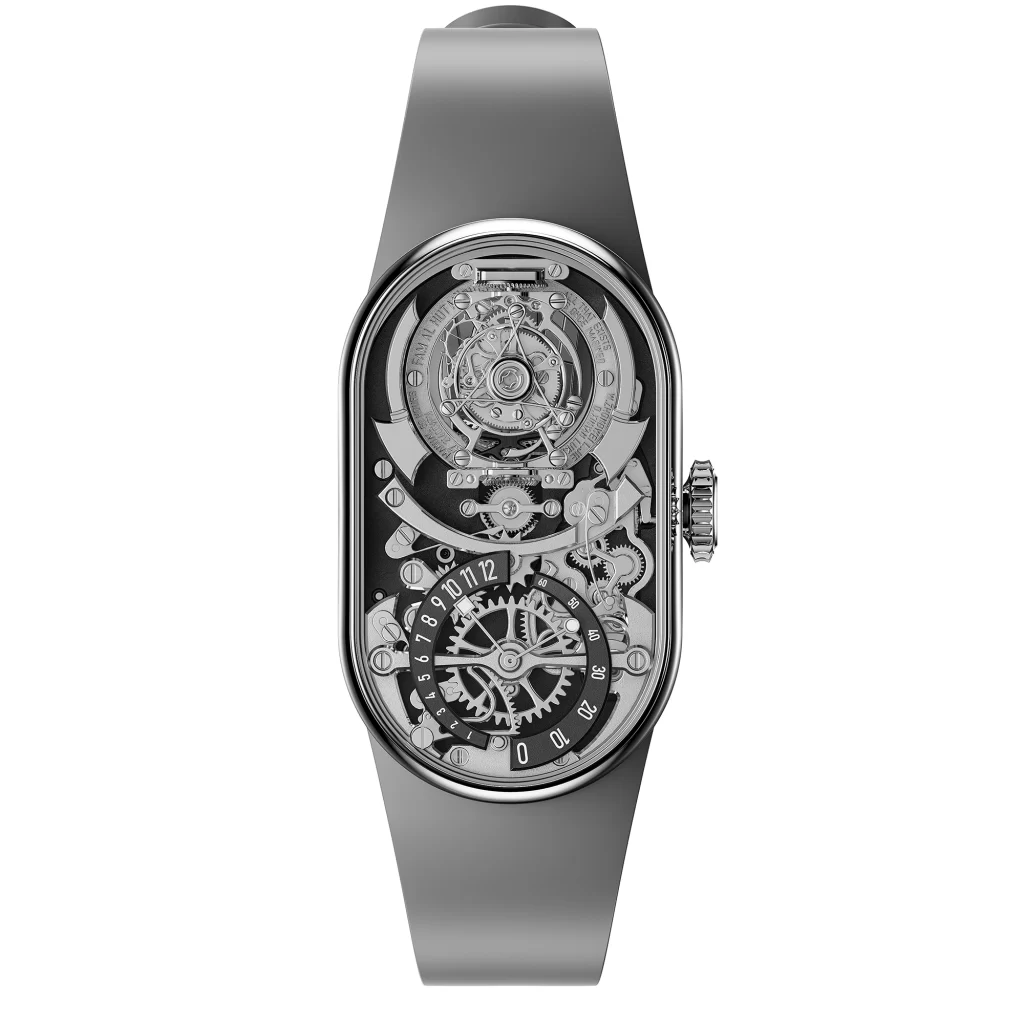
Audacity Prize — Fam Al Hut
Möbius
Bold, futuristic and mathematically inspired, the Möbius by Fam Al Hut challenges traditional watchmaking norms. A fluid sculpture for the wrist, it stands out as one of the most daring designs of 2025.
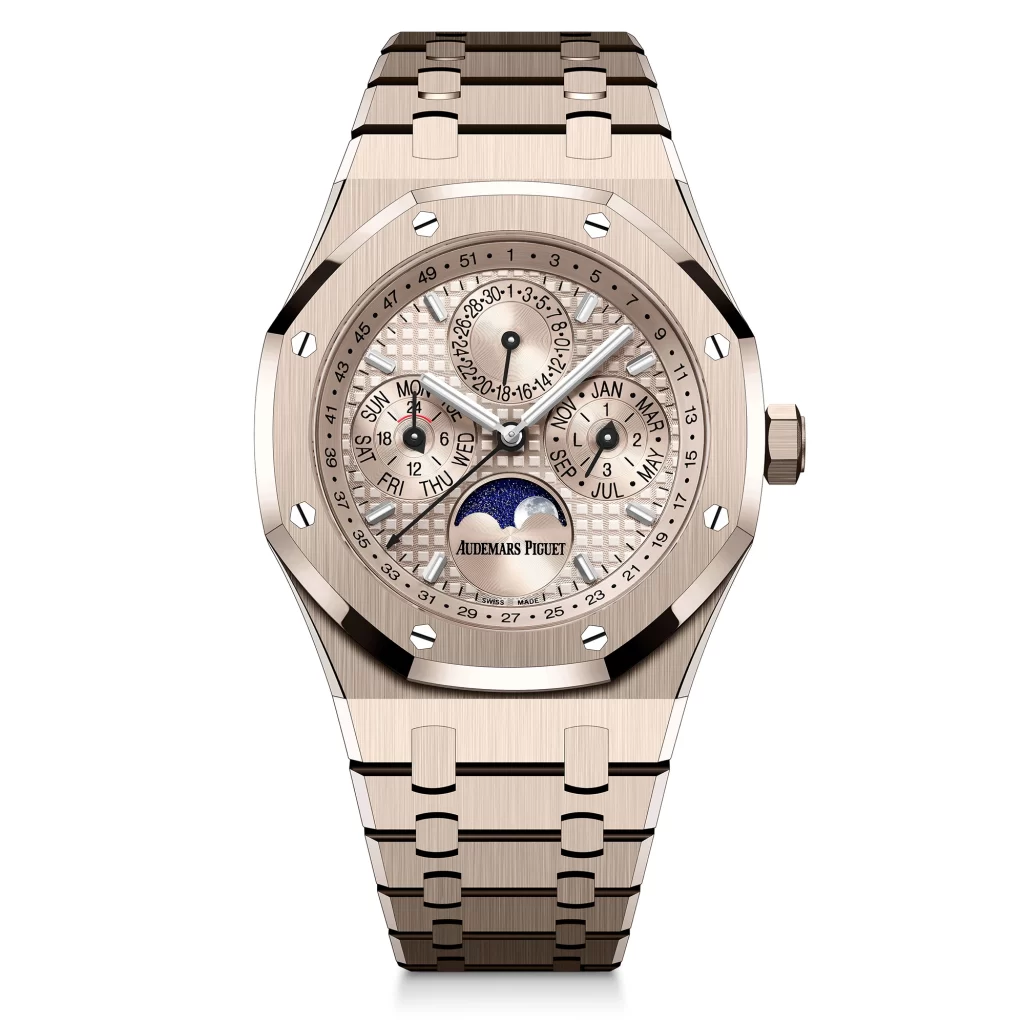
Iconic Watch Prize — Audemars Piguet
Royal Oak Perpetual Calendar
Audemars Piguet reinforces its legendary status with a Perpetual Calendar that redefines the Royal Oak’s identity. Technical finesse meets architectural beauty in this modern icon.
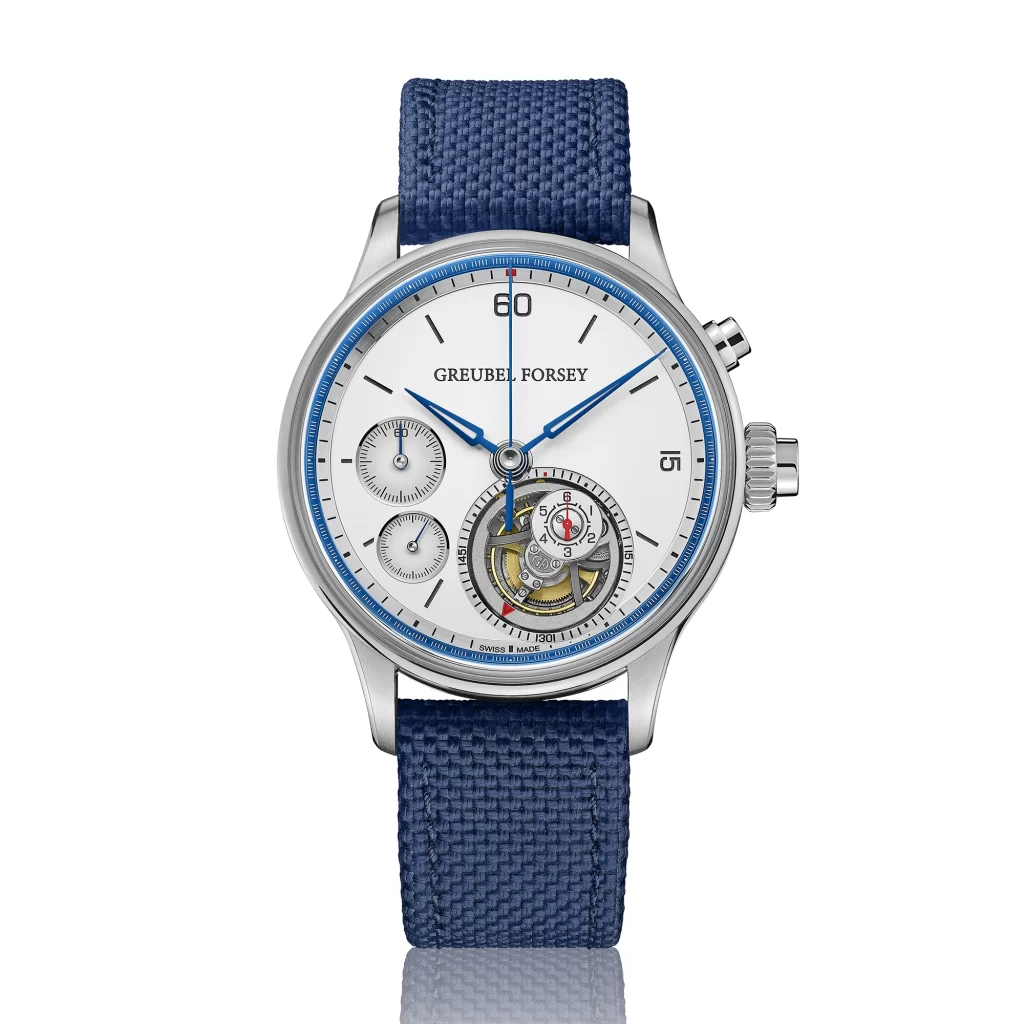
Mechanical Exception Prize — Greubel Forsey
Nano Foudroyante
Greubel Forsey continues to push boundaries. The Nano Foudroyante integrates cutting-edge mechanisms in a breathtakingly complex layout — a true testament to their pursuit of perfection.
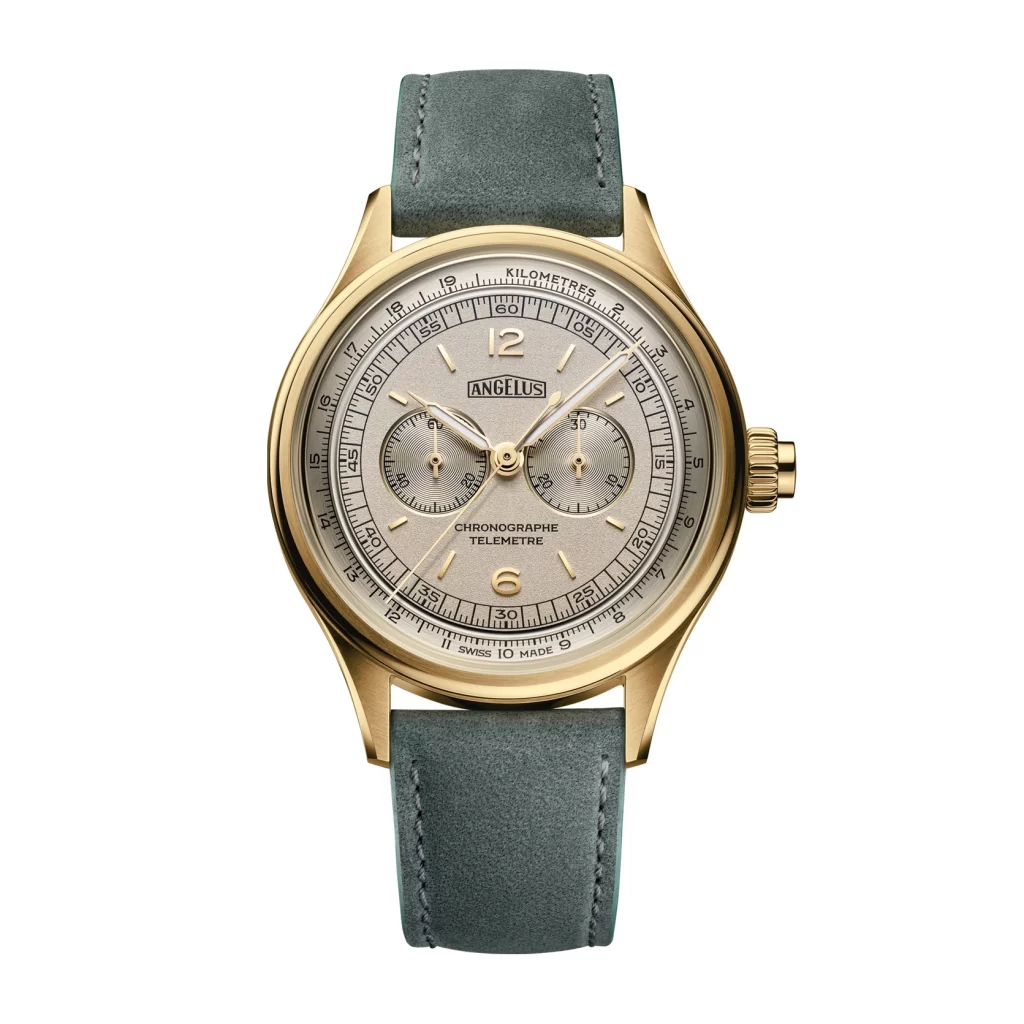
Chronograph Prize — Angelus
Chronographe Télémètre Yellow Gold
Angelus returned to its roots with a stunning yellow-gold chronograph featuring a vintage telemeter scale. A beautiful fusion of heritage and contemporary detailing.
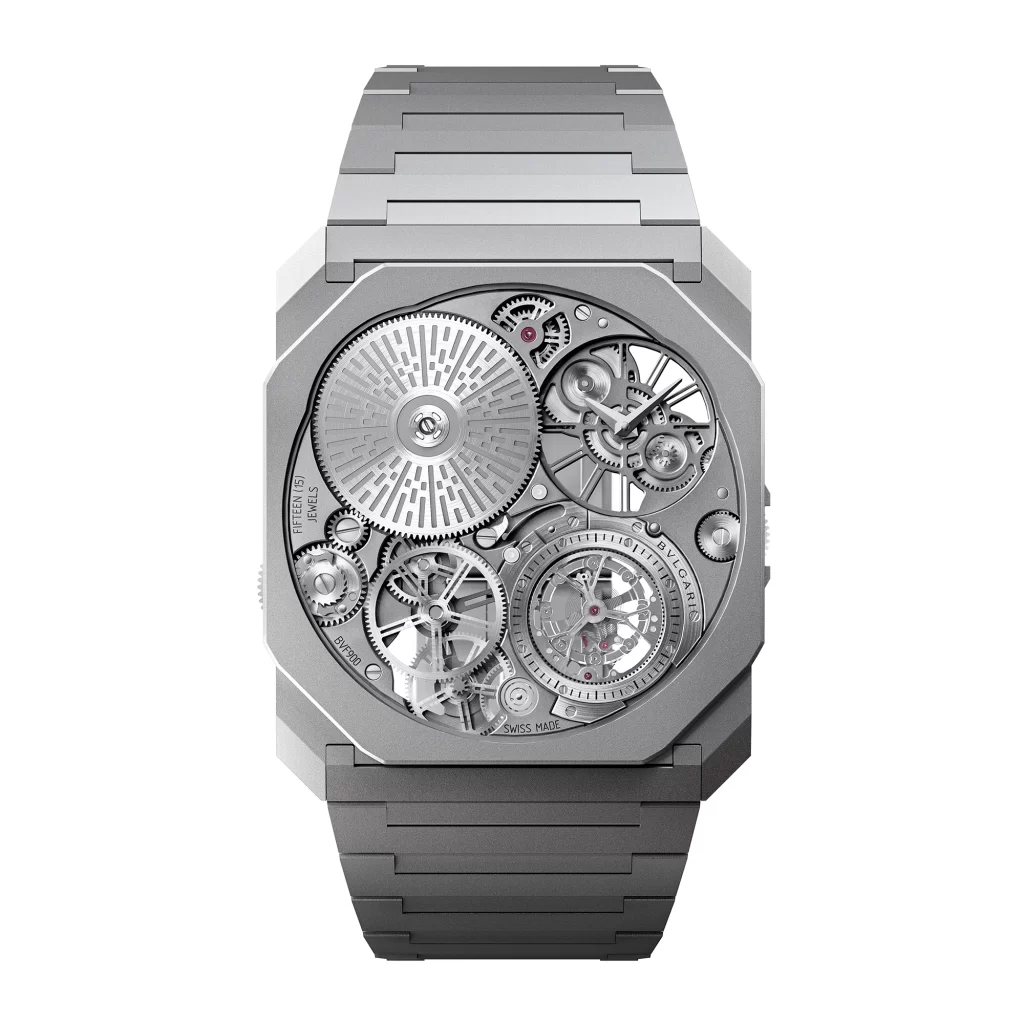
Tourbillon Prize — Bvlgari
Octo Finissimo Ultra Tourbillon
Bvlgari extends its dominance in ultra-thin watchmaking. The Octo Finissimo Ultra Tourbillon pushes the limits of engineering with a paper-thin architecture and bold modern design.
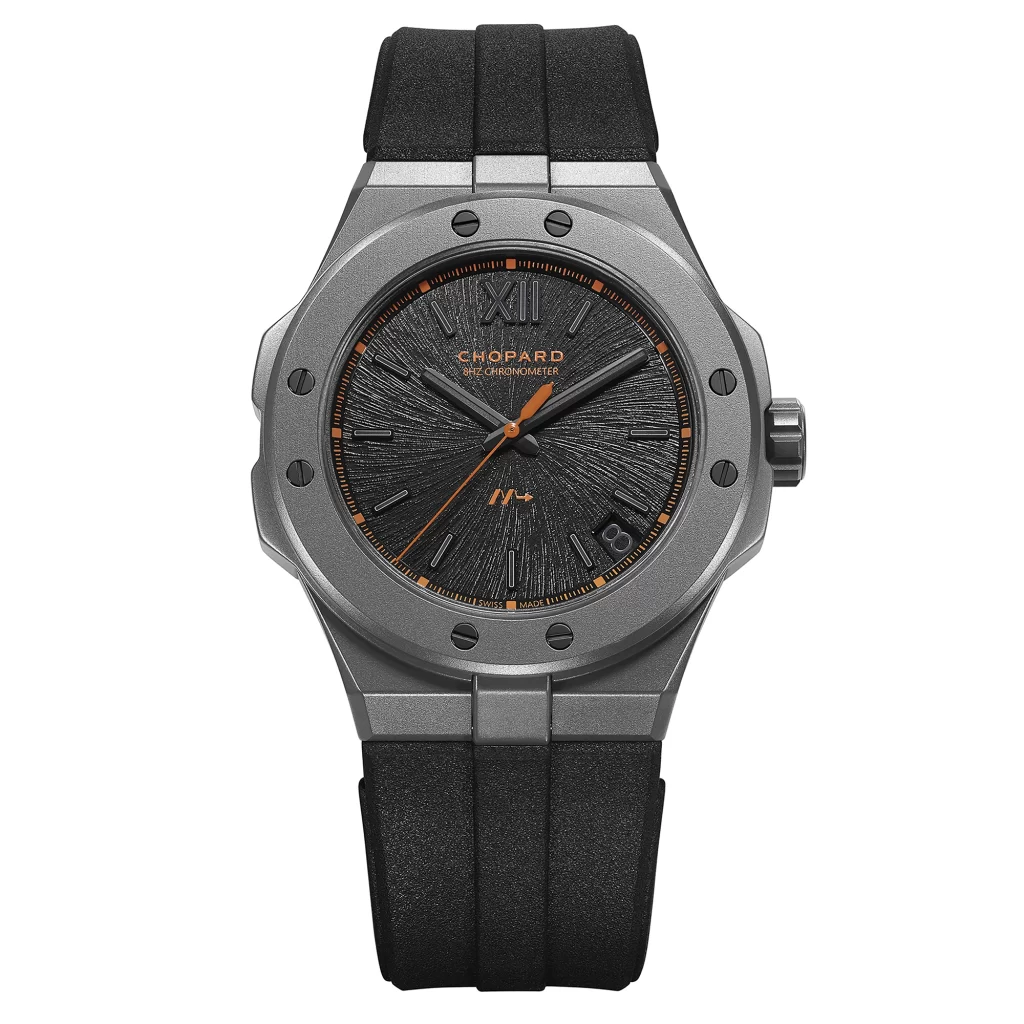
Sports Watch Prize — Chopard
Alpine Eagle 41 SL Cadence 8HF
Chopard’s high-frequency Alpine Eagle brings performance, lightness and aesthetics together. The textured dial and 8 Hz movement give this piece a competitive edge.
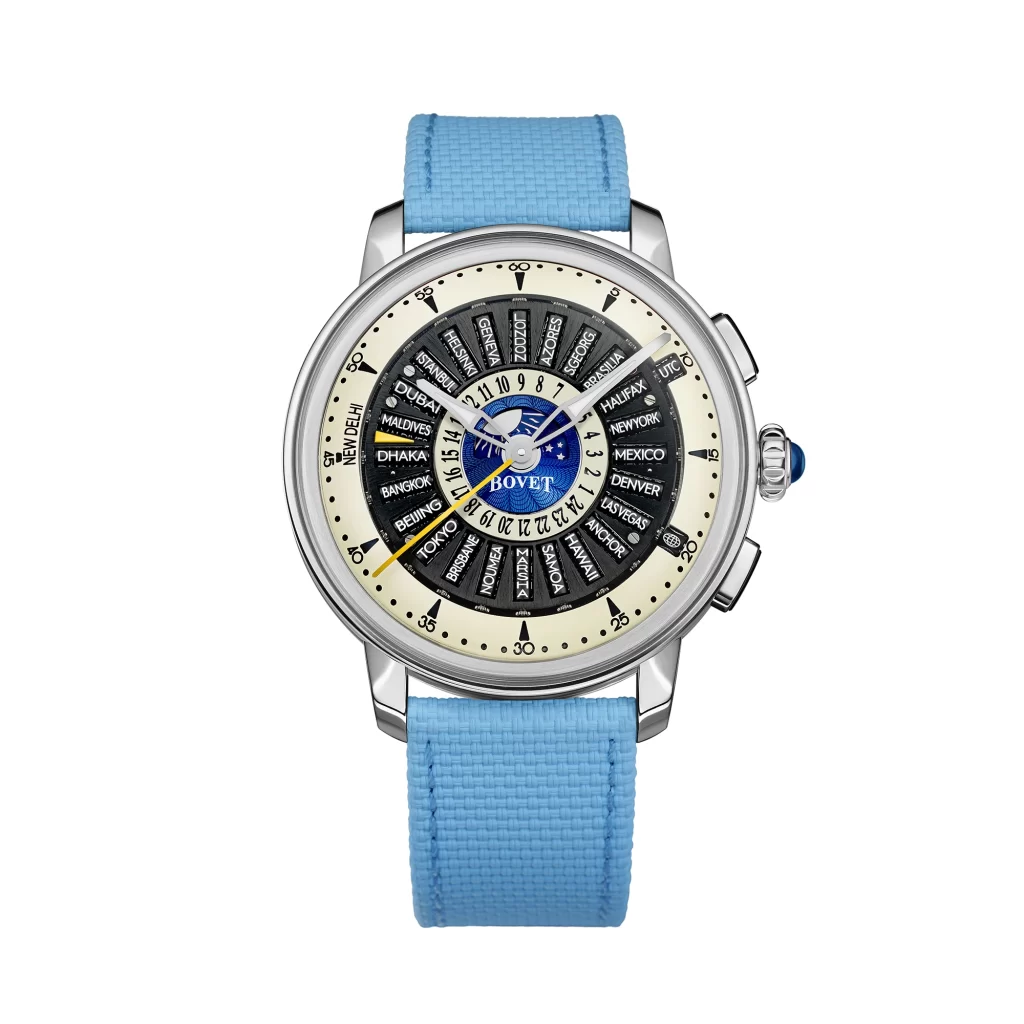
Men’s Complication Prize — Bovet 1822
Récital 30
The Récital 30 is a sculptural timepiece showcasing Bovet’s layered architecture. It balances elegance, mechanics, and creativity — all in true Bovet style.
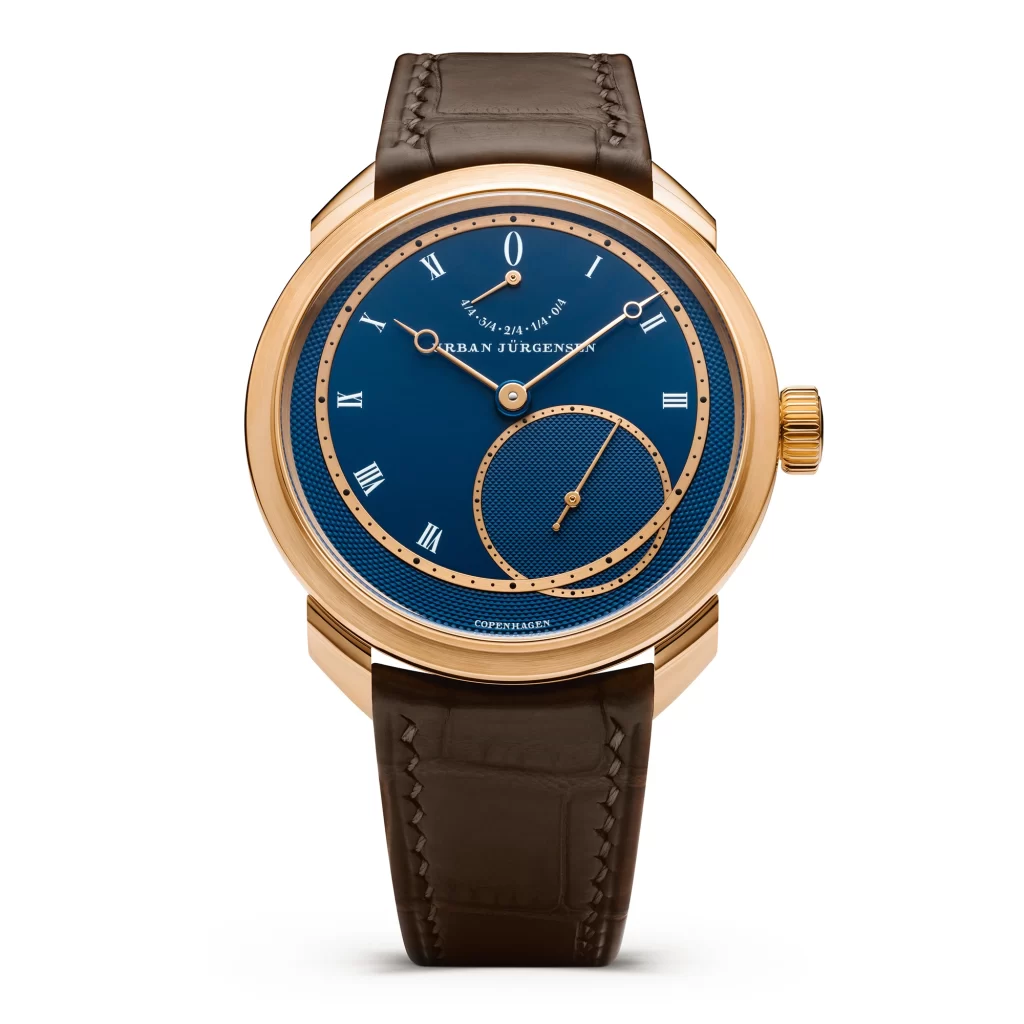
Men’s Watch Prize — Urban Jürgensen
UJ-2 Double Wheel Natural Escapement
Urban Jürgensen impressed with an intricate natural escapement system, beautifully integrated into a refined, classical case. A victory for traditional craftsmanship.
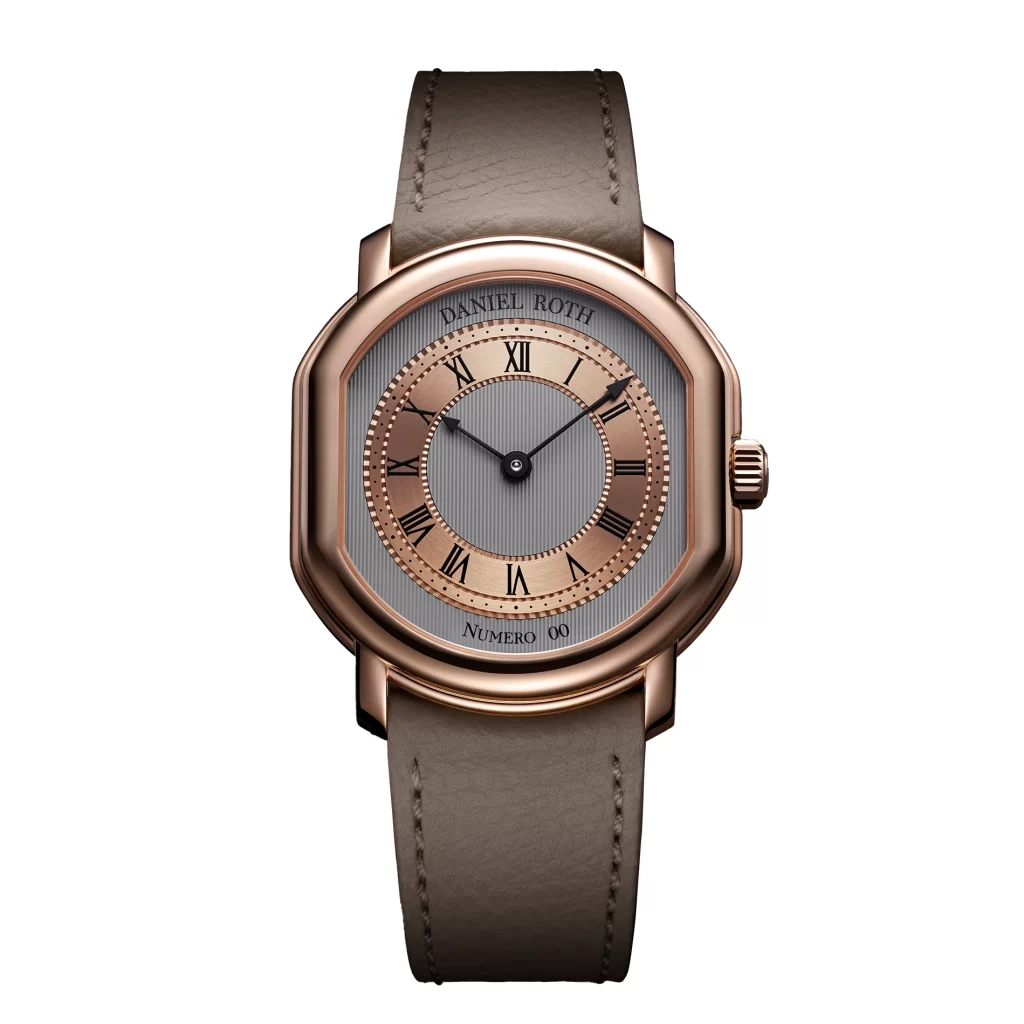
Time-Only Watch Prize — Daniel Roth
Extra Plat Rose Gold
A masterclass in minimalism. Daniel Roth’s Extra Plat is slim, warm, and beautifully pure — a watch for those who appreciate understatement done exceptionally well.
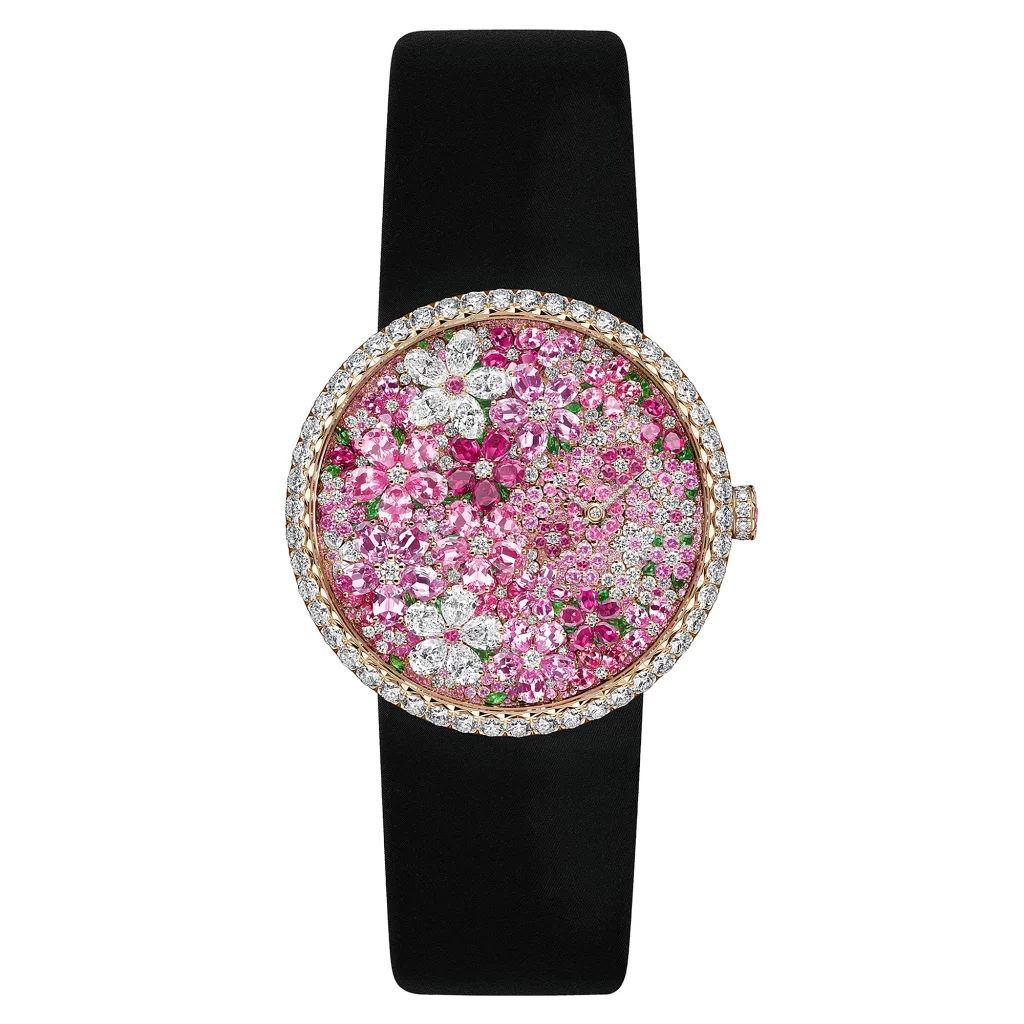
Jewellery Watch Prize — Dior Montres
La D de Dior Buisson Couture
Dior delivered a gem-set wonder inspired by haute couture embroidery. A piece designed not just as a watch, but as wearable jewellery art.
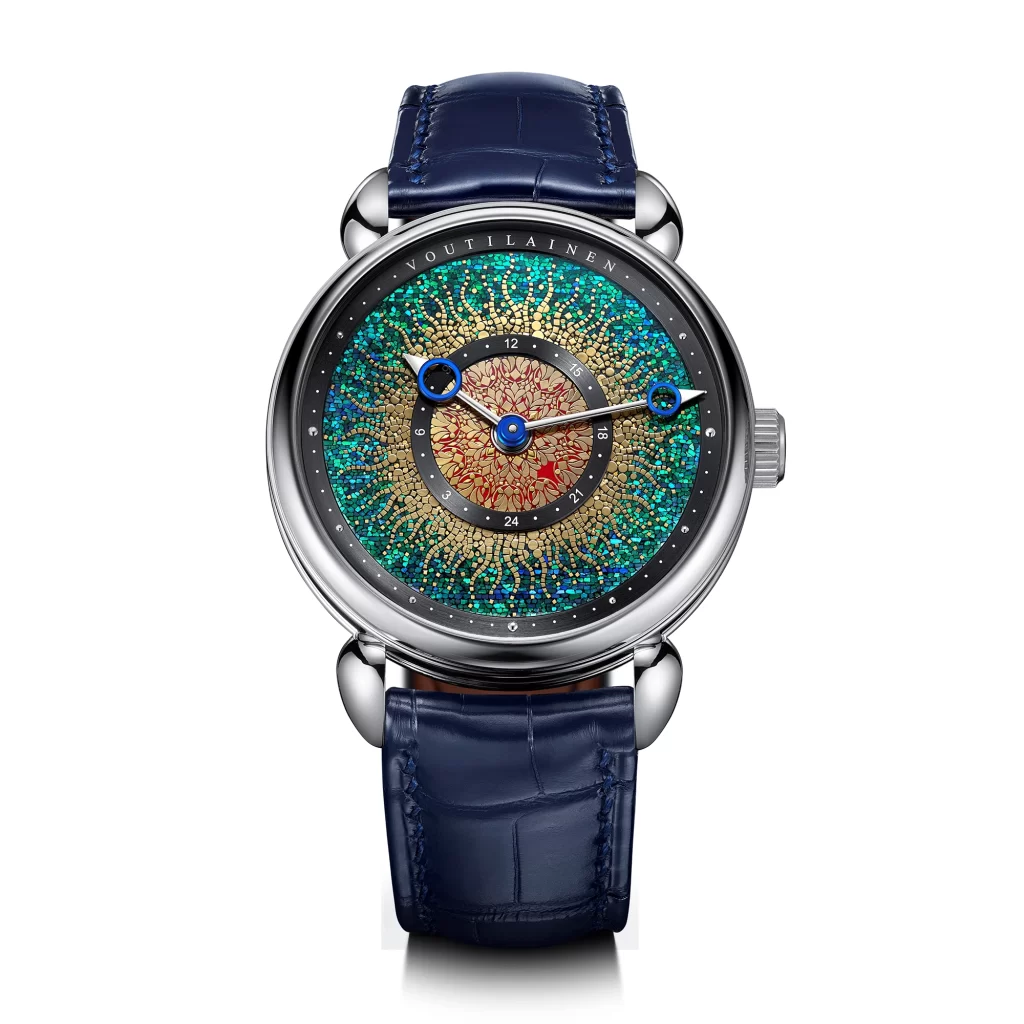
Artistic Crafts Prize — Voutilainen
28GML SOUYOU
Voutilainen continues to celebrate artisanal craftsmanship with a piece showcasing exceptional guilloché, finishing, and rich contrasting tones. A connoisseur’s delight.
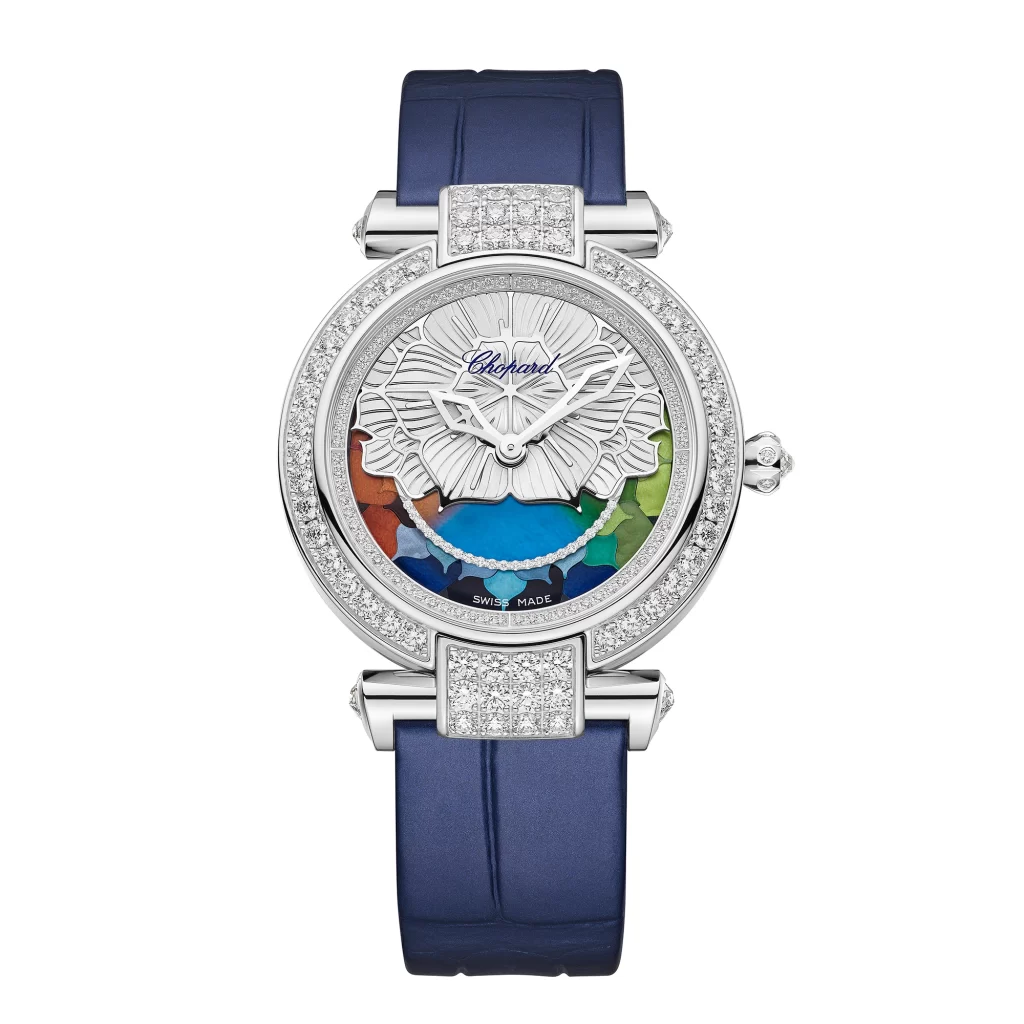
Ladies’ Complication Prize — Chopard
Imperiale Four Seasons
Chopard’s Imperiale Four Seasons captures the beauty of nature through four poetic interpretations — a feminine masterpiece imbued with symbolism and precision.
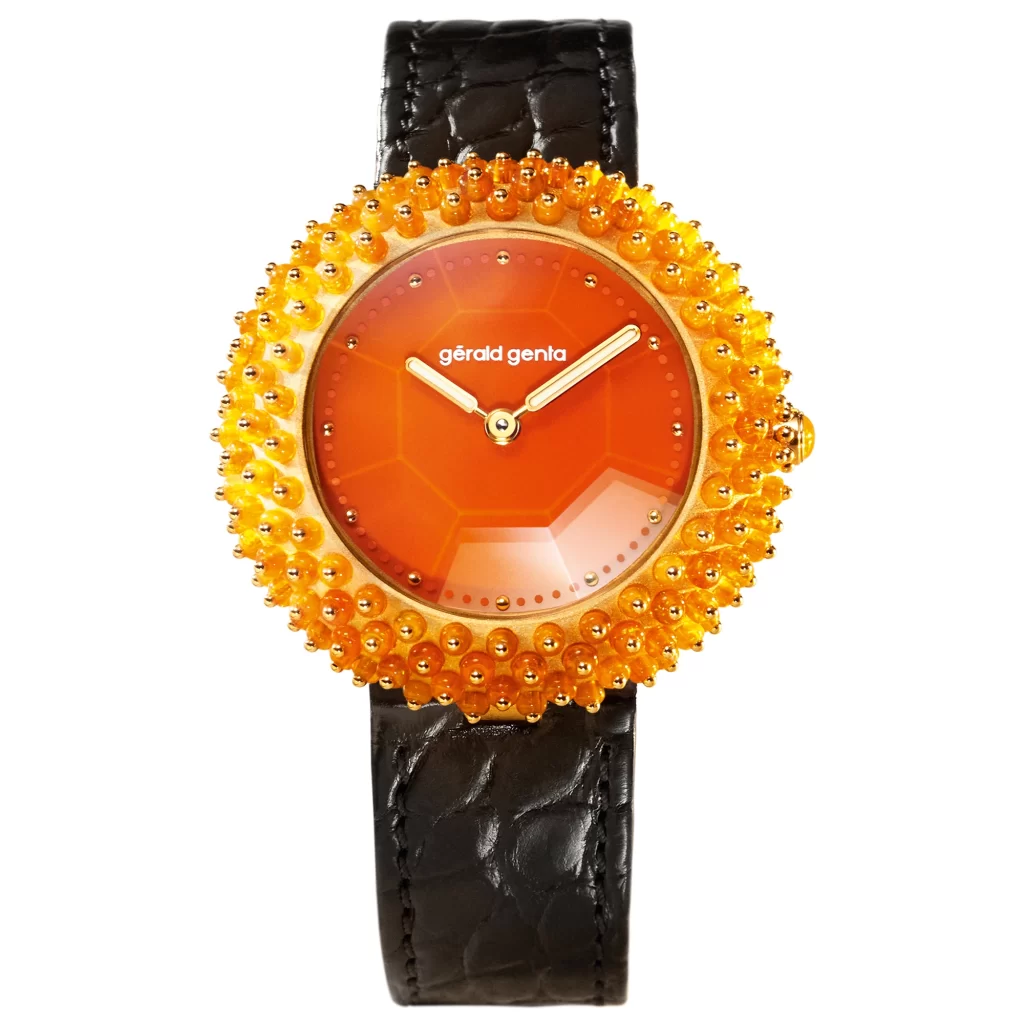
Ladies’ Watch Prize — Gérald Genta
Gentissima Oursin Fire Opal
A sculptural creation set with vibrant fire opal, Gérald Genta’s Gentissima Oursin is bold, radiant, and exceptional in form. A standout in women’s watchmaking.
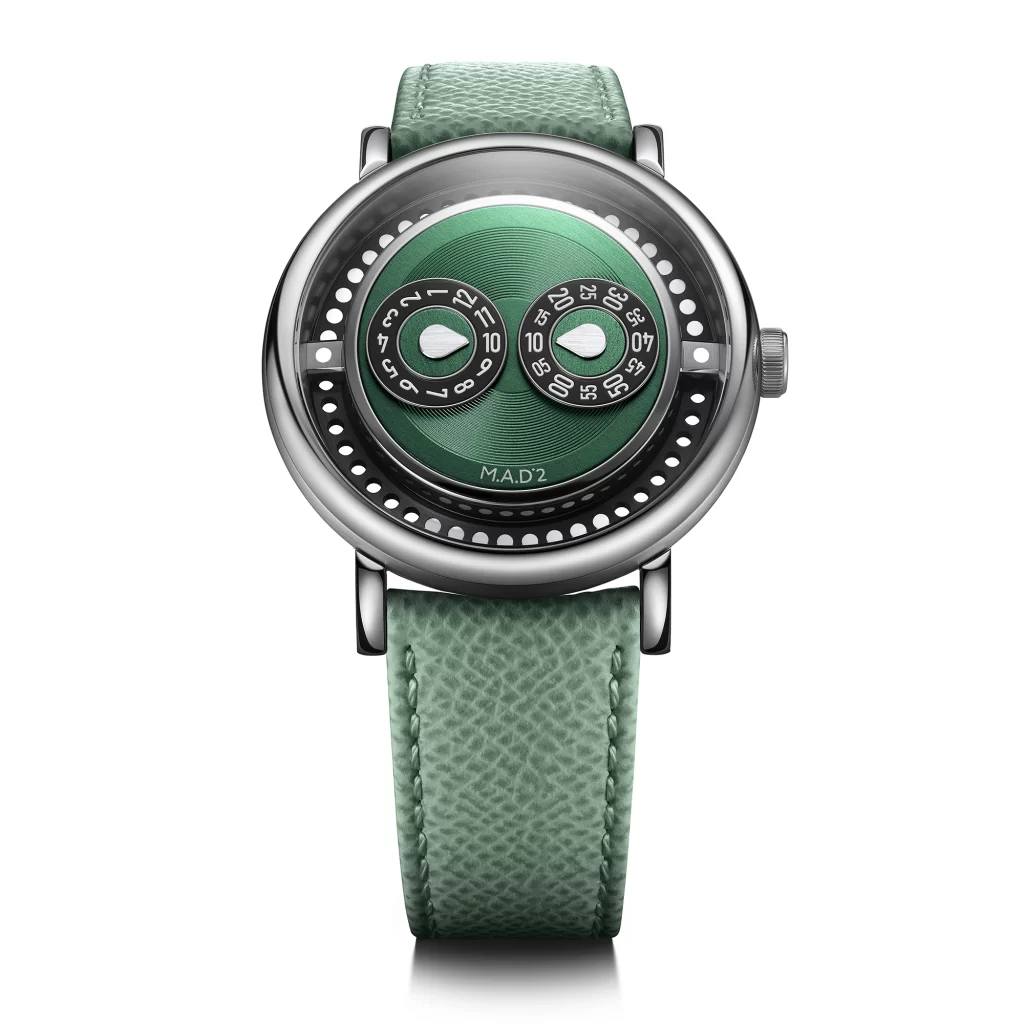
Petite Aiguille Prize — M.A.D. Editions
M.A.D.2 Green
Max Büsser’s M.A.D.2 Green brings fun, bold character and futuristic design — perfectly capturing the spirit of accessible independent watchmaking.
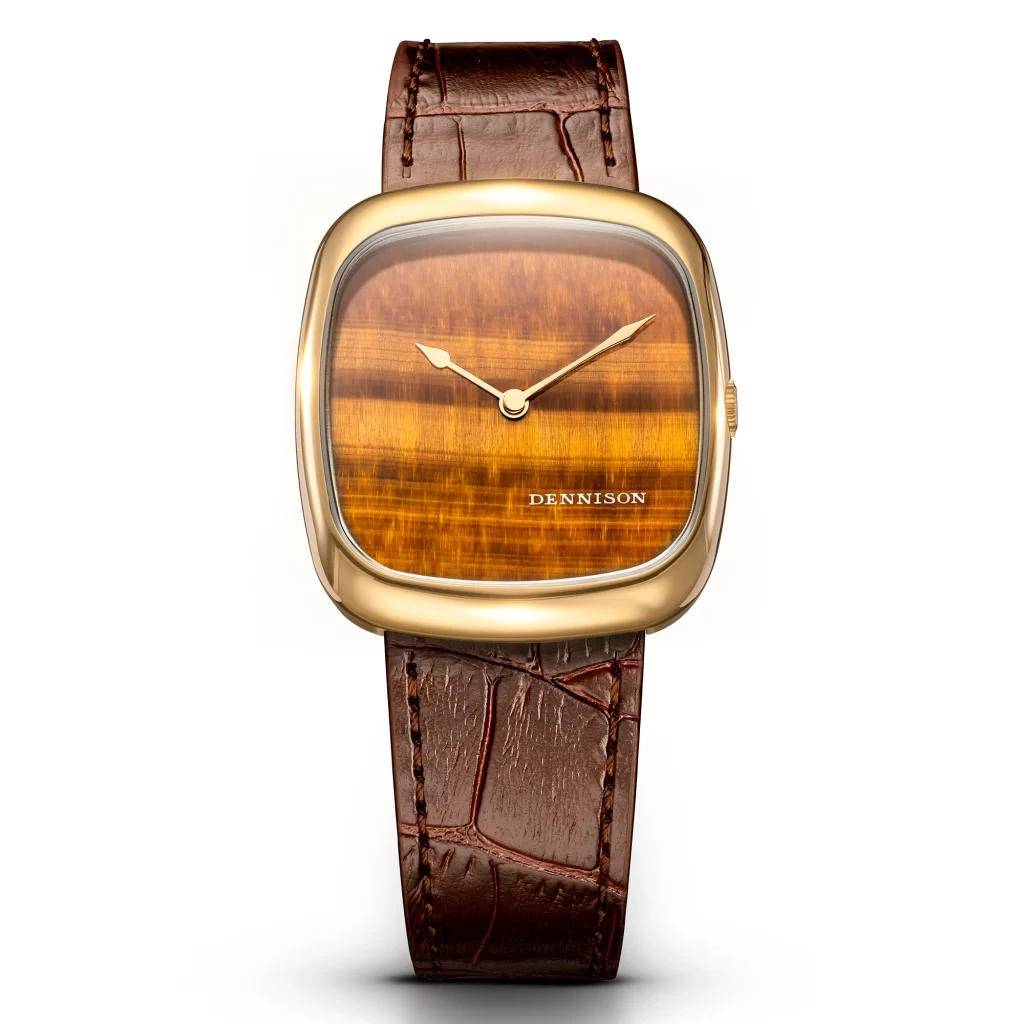
Challenge Watch Prize — Dennison
Natural Stone Tiger Eye In Gold
Dennison offers a warm, organic take on luxury with a rich tiger-eye dial set in gold. Simple, striking, and beautifully executed.
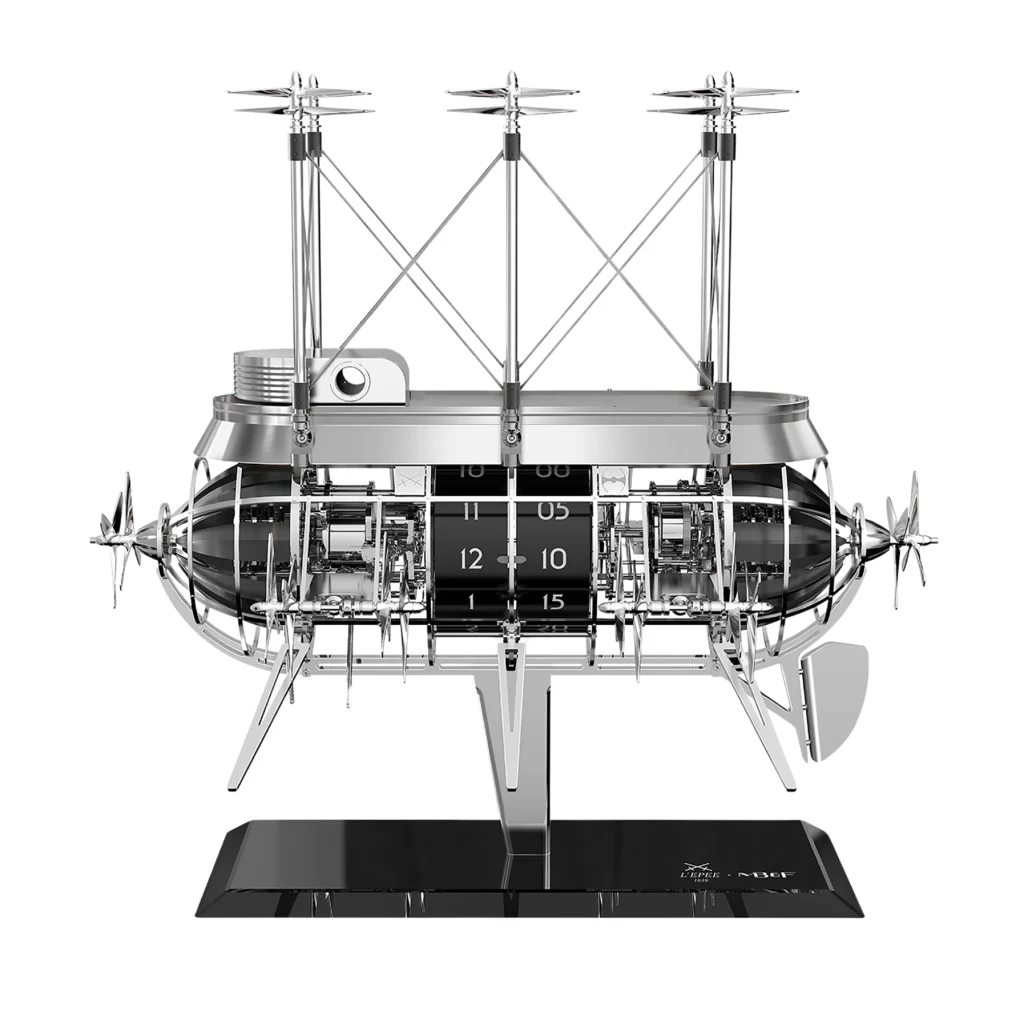
Mechanical Clock Prize — L’Épée 1839 × MB&F
Albatross L’Épée 1839 × MB&F
Part sculpture, part machine — the Albatross showcases L’Épée’s mechanical mastery paired with MB&F’s artistic imagination. A kinetic artwork worthy of a spotlight.
Final Thoughts
GPHG 2025 showcased a brilliant mix of heritage maisons, bold independents and artistic explorations that pushed horology to new heights. Whether through extreme thinness, imaginative architecture or the revival of ancient crafts, this year’s winners prove that watchmaking is more alive, creative and emotional than ever.
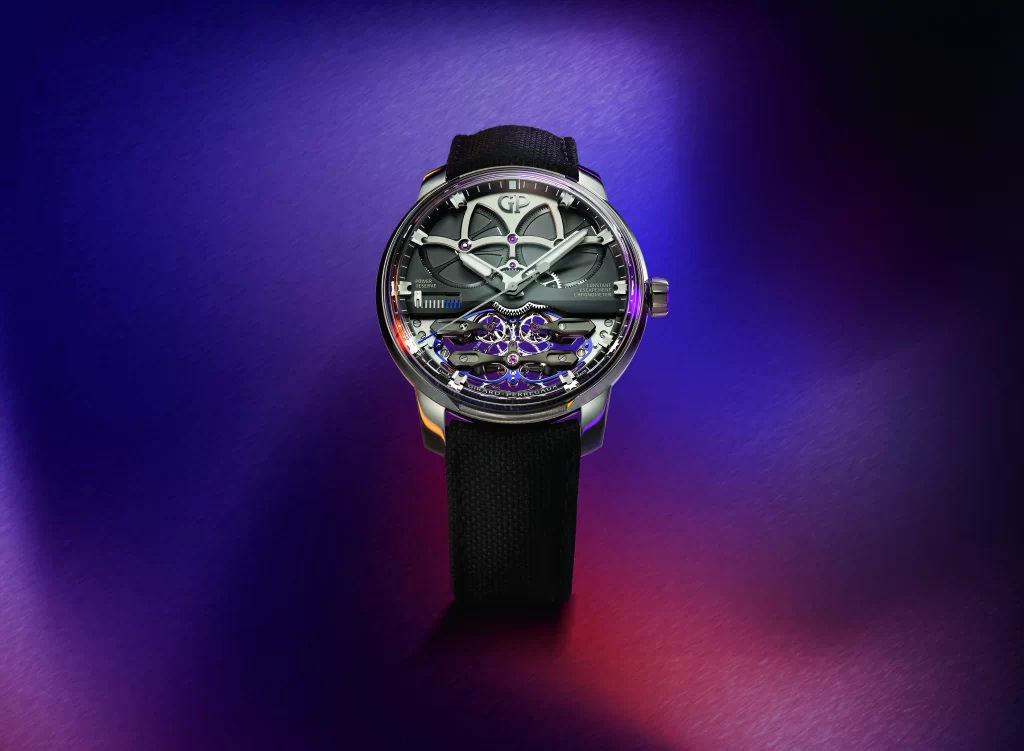
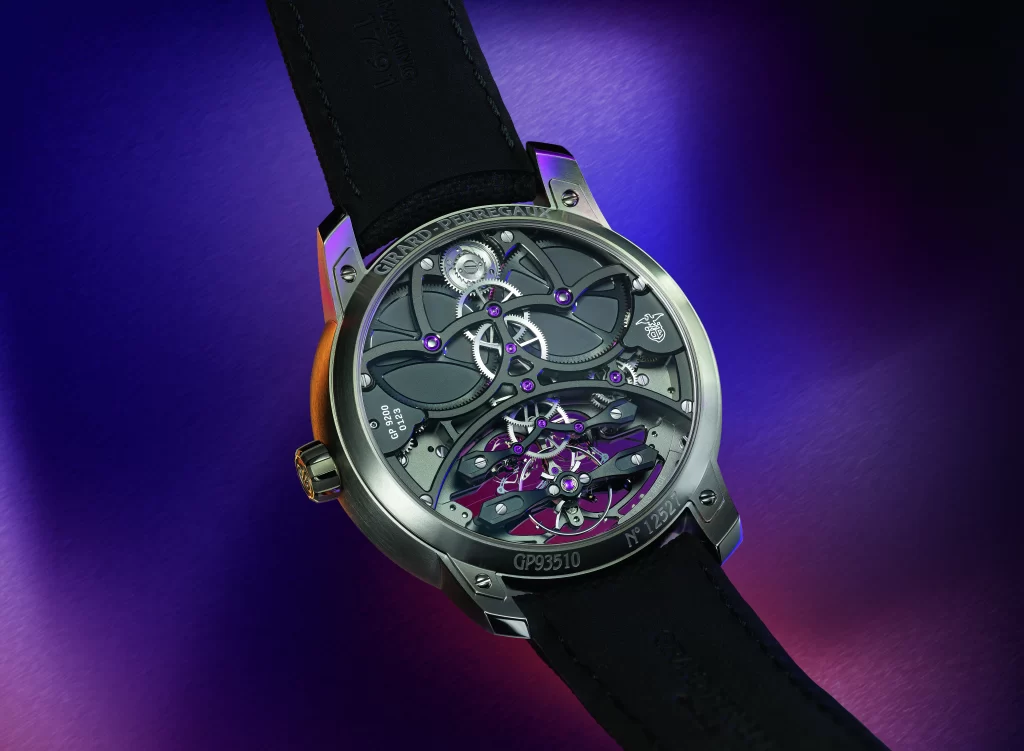
In 2013, Girard-Perregaux released the Constant Escapement L.M. to critical acclaim and won the ‘Aiguille D’Or’ at the GPHG (Grand Prix d’Horlogerie de Genève) in the same year. The model included a constant force escapement, a mechanism that delivered remarkable rate stability irrespective of the available energy.
The Neo Constant Escapement is the latest evolution of the Maison’s groundbreaking approach to master energy, incorporating an array of aesthetic and technical advancements. While it took 250 years to develop the Swiss lever escapement, Girard-Perregaux perfected its Constant Escapement in just 20 years, a testament to its inventive spirit. Moreover, this new timepiece upholds Constant Girard’s original idea of showcasing the beauty of functional elements, but expressed in a contemporary way.
A new expression of fine watchmaking
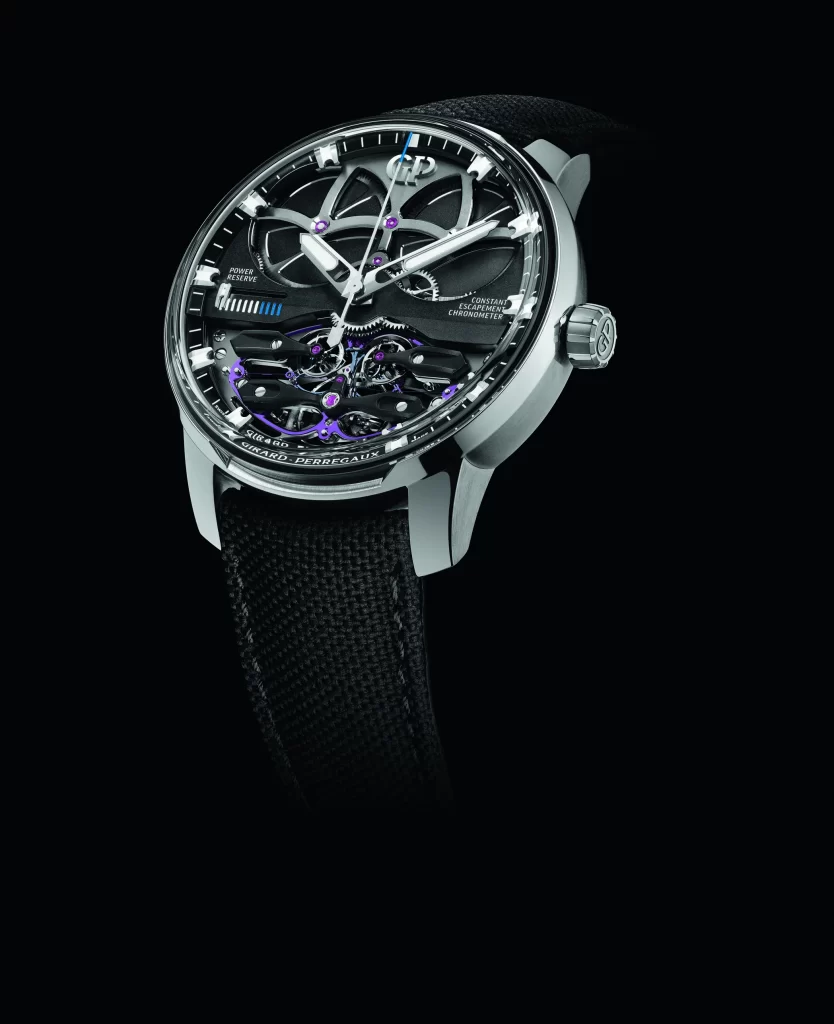
The Neo Constant Escapement wholeheartedly embraces avant-garde styling, forgoing a conventional dial in order to reveal an array of components usually hidden from view. On one hand, this latest addition to the Bridges collection is ultra-modern while on the other hand it is inspired by a prize-wining pocket watch created by Constant Girard in 1867. This won a first-class prize at the Neuchâtel Observatory in the same year and its precision remained unequalled for 17 years. Moreover, this watch, subsequently housed in gold, won a gold medal at the Universal exhibition in Paris. Constant’s pocket watch famously transformed three bridges from being merely functional components into artistic elements, a design philosophy that has also been applied to the Neo Constant Escapement.
Building on the success of the Constant Escapement L.M
After several years of research, Girard-Perregaux unveiled a concept watch in 2008 that incorporated a unique silicium blade. This know-how was perfected over the years and a production version of the watch, the Constant Escapement L.M., was released in 2013. It won the prestigious prize ‘Aiguille D’Or’ at the GPHG (Grand Prix d’Horologerie de Genève) in the same year.
The Neo Constant Escapement is an evolution of this former model, incorporating several new technologies. Indeed, 30% of the patents employed on this latest model, 13 in total, are new. The new movement features fewer components than the 2013 model (266 compared with 280 parts previously), a clear example of optimisation over complexity.
Constant force
A problem that afflicts most watches is that when fully wound the force from the spring barrel, ultimately serving the regulating organ, is excessive. This potentially impairs precision and can cause harm to the movement. Conversely, as the energy within the barrel diminishes, prior to the point of total exhaustion, the regulating organ receives insufficient force that again impairs precision.
The Constant Escapement addresses such problems, providing a uniform supply of force to the regulating organ and, by default, extraordinary rate stability. Moreover, the watch is a certified chronometer (COSC), providing independent assurance of its timekeeping prowess. This is reminiscent of when the Manufacture submitted its pocket watches for chronometer testing in the 1860s and won the Neuchâtel Observatory Centenary Prize.
Product highlights
The Neo Constant Escapement proffers an array of features and attributes:
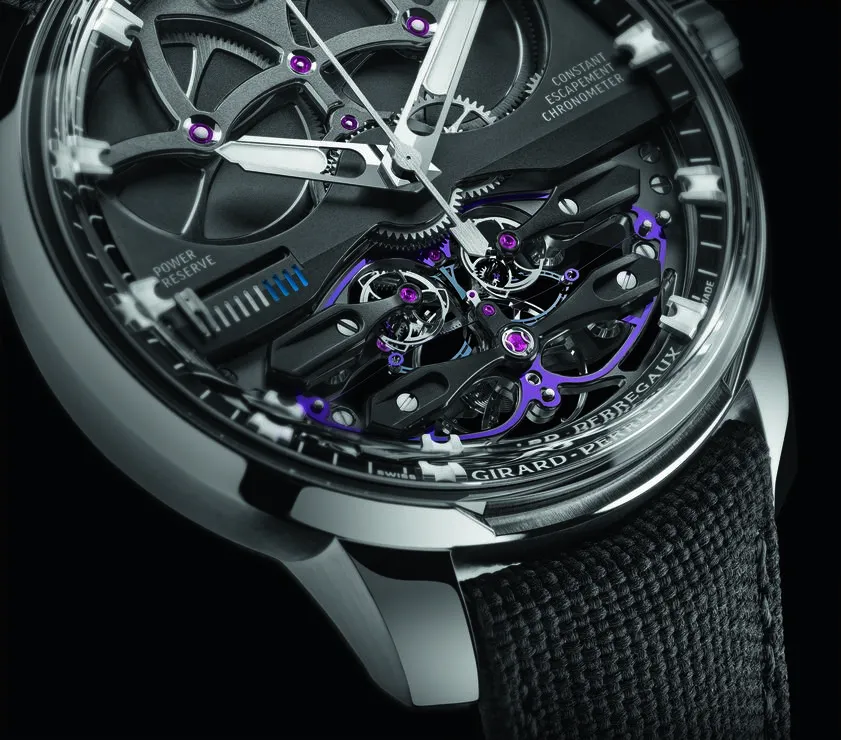
The escapement, the mechanism that controls the flow of time, is a unique design based on the elastic and bi-stable properties of a buckling silicium blade. This component delivers a linear supply of force to the balance irrespective of the available energy within the twin barrels.
The silicium escapement spring, with an ultra-fine buckling blade at its centre, is made in a laboratory setting using a technique called ‘photolithography’. This elaborate process has allowed Girard-Perregaux to create intricately shaped components not achievable using traditional milling or stamping techniques. In this instance, Girard-Perregaux has exploited the high elasticity of silicium, the only material that allows the blade to repeatedly buckle and, in so doing, serve the balance with a constant force.
The escapement spring is 120 microns thick, while the blade is a mere 14 microns wide. By comparison, a human hair is typically 50 – 90 microns in thickness.
The ultra-fine silicium blade buckles back and forth, serving the regulating organ with a uniform pulse of energy. The silicium escape spring, with its buckling blade positioned centre stage, is formed of a single piece of silicium. Beyond its functional role, this component is instantly recognisable and its symmetrical appearance resonates with Girard-Perregaux, a Maison synonymous with the Laureato’s octagonal shaped bezel and the legendary Bridges.
The Neo Constant Escapement is a certified chronometer (COSC).
The movement, the Calibre GP09200, has a linear power supply of at least 7 days, courtesy of twin barrels.
The model is housed in a 45mm case formed of Grade 5 titanium.
The dial sits beneath a sapphire crystal ‘box’, a feature that invites light to flood the display while granting lateral views of various dial elements.
Skeletonised dauphine-style hour and minute hands, featuring rhodium treatment, articulate the prevailing time and, courtesy of luminescent material, remain visible in restricted light.
A black track, positioned on the flange, is endowed with white markings and incorporates prominent, luminescent hour markers that arc outwards, seemingly floating above the main dial area.
The Neo Constant Escapement is fitted with a fabric effect rubber strap secured with a titanium triple folding buckle incorporating a micro adjustment system, allowing the wearer to fine-tune the strap for the optimum wrist fit.
The relentless quest for advancement
The Neo Constant Escapement incorporates numerous examples of the Maison’s inventive spirit, manifest with the model’s 13 patents. It incorporates fine materials, neoteric styling and ultra-refined finishing, inspired by Haute Horlogerie. The watch goes on sale in January 2024 and will be available worldwide in all authorised Girard-Perregaux retailers. However, by virtue of its protracted creation, the Neo Constant Escapement will be produced in limited quantities, conferring a notable degree of exclusivity.
Additional information
A separate technical bulletin is available which provides more detailed information relating to the Neo Constant Escapement encompassing its inspiration, constant force mechanisms, the manufacturing of the silicon blade and further discussion about the design of the watch.
Dial: ring displaying suspended indexes with luminescent material (blue emission)
Hands: skeletonized, rhodium-plated, ’dauphine’ type with luminescent material (blue emission)
Water resistance: 30 meters (3 ATM)
Movement
Reference: GP09200-1153
Hand-wound mechanical movement
COSC-certified Chronometer
Diameter: 39.50 mm (171/2’’’)
Height: 7.40 mm
Frequency: 21,600 Vib/h – (3 Hz)
Number of components: 266
Number of jewels: 29
Power reserve: min. 7 days
Functions: Hours, minutes, central seconds, power reserve indicator
Strap
Material: black rubber strap with fabric effect
Buckle: titanium triple folding buckle with micro-adjustment system
About Girard-Perregaux
Since 1791, Girard-Perregaux has been embracing the rhythm of ever-elusive time. Cradled in the Jura mountains in the heart of La Chaux-de-Fonds, it is a pioneer in the world of Haute Horlogerie: an independent Manufacture which has retained this status for over two centuries, successfully keeping all production in-house and passing down exceptional horological skills throughout the generations. The preservation of this savoir-faire, along with a sincere passion for beauty and for the art itself, has remained the key to Girard-Perregaux’s ability to continuously innovate.
Always seeking the perfect balance of beauty and functionality, fans of fine watchmaking will instantly recognise the house signatures, such as the iconic octagonal bezel of the Laureato and the legendary Tourbillon with ‘Three Gold Bridges’. From seeking to create industry references in timepieces to making the invisible visible through the art of precision engineering, Girard-Perregaux never ceases to change the course of time via pieces that are the first of their kind. This place at the vanguard of horological innovation is solidified by over one hundred recorded patents for original designs, like the movement of three arrow-shaped bridges, registered in the USA in 1884, as well as prizes like the ’Aiguille d’Or’ in 2013 and distinctions like the Gold Medal at the Paris Universal Exhibition in 1889.
Rooted in its heritage, Girard-Perregaux is driven by the instinct to always look ahead, embracing new technologies, utilising state-of-the-art materials, and finding inventive ways to bring joy by reimagining iconic shapes. To this end, Girard-Perregaux has remained a human-sized Manufacture, and in 2022 became part of an independent collective of Haute Horlogerie Manufactures alongside sister Maison Ulysse Nardin.
The Grönefeld family has an impressive history when it comes to watchmaking, with a legacy that dates back more than a century. The story began in 1912, thanks to Johan Grönefeld, and has since been passed down through three generations. Today, the horological brothers Bart and Tim Grönefeld are at the helm, and they are dedicated to creating beautiful timepieces with unique mechanisms that are truly world-class. Their commitment to excellence is evident in every watch they produce, and it is clear that the Grönefeld name is synonymous with quality and craftsmanship.
The Horological Brothers have yet again recently been recognised for their exceptional craftsmanship. The 1941 Grönograaf, a remarkable timepiece, has earned the Chronograph category Grand Prix d’Horlogerie de Genève award, marking the duo’s third GPHG win. Their previous victories in 2014 and 2016 in the Tourbillon and Men’s Watch categories, respectively, attest to their unwavering commitment to excellence. The Grönefeld family’s legacy in watchmaking is genuinely remarkable, and their latest recognition is well-deserved.
1941 Grönograaf Stainless Steel
The Horological Brothers had never made a chronograph… until 2022. The GPHG award-winning 1941 Grönograaf is a classic chronograph, but consistent with the Grönefeld ethos, it incorporates several ingenious details. Discover – among other things – the ‘soft reset’ mechanism.
This 1941 Grönograaf is a wealth of knowledge of three generations of watchmaking. The professional journeys of both Horological Brothers and their extraordinary passion for horology are manifested in the Grönograaf.
Grönefeld will release 188 pieces of the 1941 Grönograaf in stainless steel.
1941 Grönograaf Tantalum
The ‘Premiere Edition’ of the 1941 Grönograaf is encased in rare metal tantalum and limited to just 25 pieces. However, all 25 pieces have been sold. Thereafter, Grönefeld released 188 pieces in stainless steel.
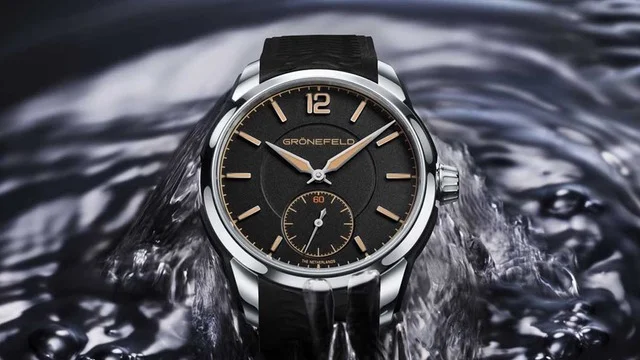
1969 DeltaWorks Rubber Clad Inserts
The Horological Brothers are really proud of their heritage and their home country, the Netherlands. They are known for their exceptional craftsmanship and attention to detail when it comes to watchmaking. Their latest creation, the 1969 DeltaWorks sports utility watch, is inspired by the Dutch ‘Delta Works’ and is designed to withstand the challenges of water ingress and shocks. The watch is a perfect blend of contemporary design and traditional horology. It comes in three different dial designs/colours, five different strap options, and the buyer has the choice of stainless steel inserts or colour-coordinated FKM rubber-clad inserts.
1941 Principia
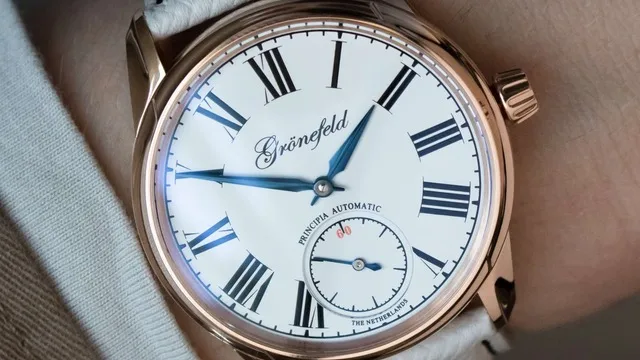
The first automatically wound timepiece was conceived in Oldenzaal. The Principia is housed in Grönefeld’s 1941 case, which exudes elegance and grace. The Principia watch is stunning, available in red, white, or stainless steel with solid sterling silver dials.
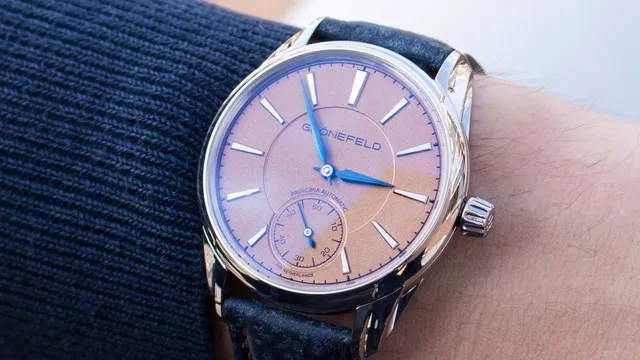
1941 Principia Automatic Salmon Dial
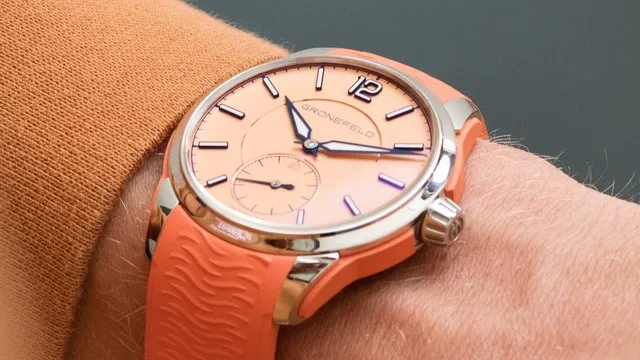
The Grönefeld 1941 Principia Automatic come with an array of dials to choose from, crafted in solid sterling silver. In addition, the watch connoisseur selects from a cream lacquered dial with Roman numerals, a refreshing matt turquoise or light blue dial with polished applied baton hour markers. Alternatively, the company’s rhodium-plated or gold-plated salmon dials are also available.
The Principia is housed in the company’s 1941 case. Named after the year the father of Bart and Tim, Sjef Grönefeld was born, the 1941 case exudes grace from every angle. Available in red gold, white gold or stainless steel.