Hublot’s Extraordinary Journey to the Island of Antikythera
The story of watchmaking is ultimately the story of humanity’s quest to understand time. Few projects illustrate this connection more vividly than Hublot’s latest expedition to the Greek island of Antikythera, a place that continues to fascinate historians, scientists and watch enthusiasts alike.
As part of its ongoing commitment to scientific research, innovation and heritage preservation, Hublot has partnered with Swiss content creator Anil Brancaleoni to document an extraordinary scientific mission to Antikythera. The resulting documentary, available on the Hublot and Anil B YouTube channels, offers a fascinating look at the intersection of ancient history, pioneering exploration and cutting-edge technology in the search for what Hublot calls the “origin of time.”

Why Antikythera Matters
Antikythera is a small Greek island that became famous after the discovery of an ancient shipwreck in 1901. Among the treasures recovered from the wreck was the Antikythera Mechanism, a remarkable device dating to around 60 BCE.
Widely regarded as the world’s oldest known astronomical calculator, the mechanism was capable of predicting celestial events, tracking eclipses and calculating the movements of stars and planets with astonishing accuracy. Its complexity revealed a level of technological sophistication far ahead of what historians once believed possible for the ancient world.
More than two thousand years after its creation, the Antikythera Mechanism remains one of history’s most important scientific discoveries and continues to inspire modern innovation.
Hublot Xplorations and the Search Beneath the Sea
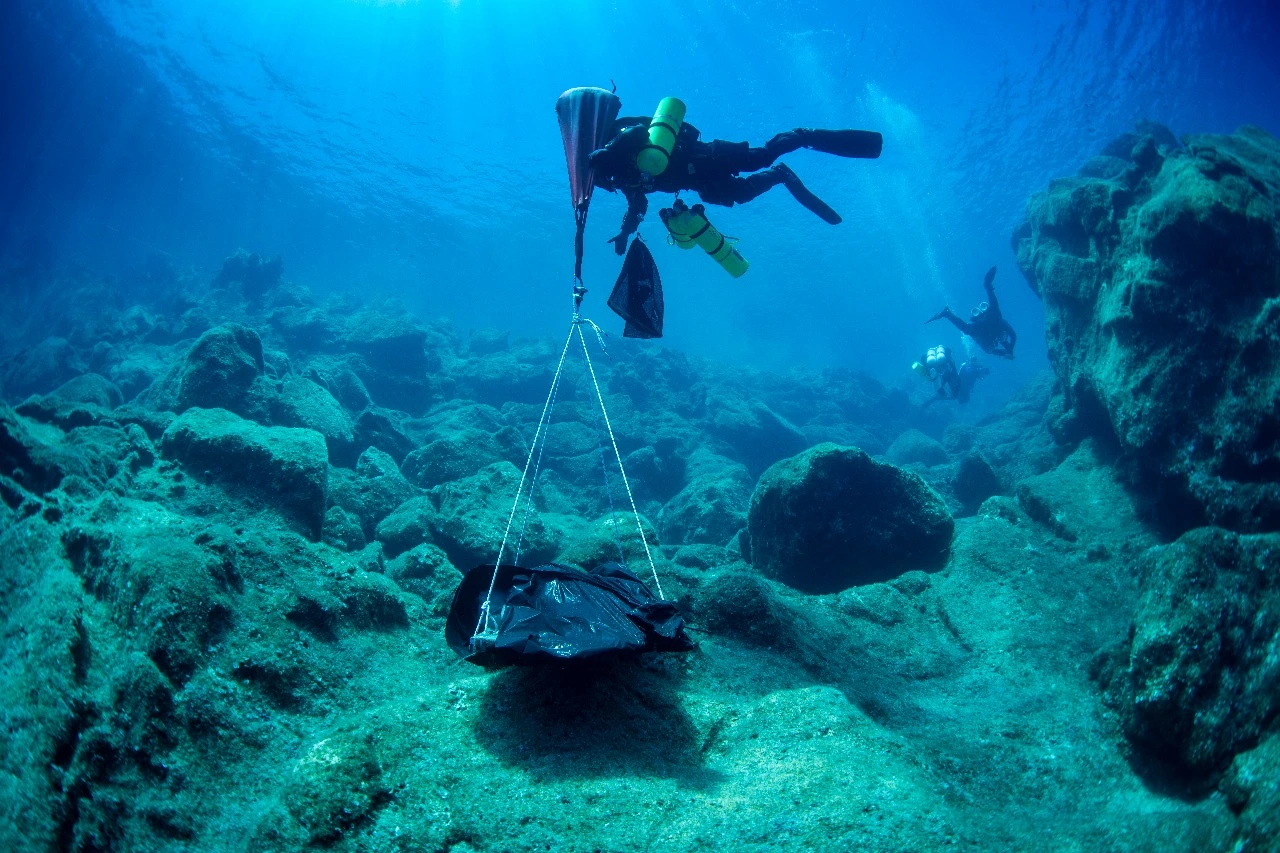
Since 2014, Hublot’s dedicated Hublot Xplorations department has played an active role in missions to Antikythera, spending more than two weeks each year supporting archaeological dive teams working at the historic wreck site.
Specialising in research and development, the team has created advanced underwater technologies, including state-of-the-art drones designed to help archaeologists locate artefacts still buried beneath the seabed. These innovations enable more accurate exploration while helping preserve the fragile underwater environment surrounding the wreck.
The latest documentary follows Hublot Xplorations and Anil Brancaleoni during an 18-day expedition alongside an international team of archaeologists, divers and specialists investigating one of the most important underwater archaeological sites in the world.

The Watch That Brought Ancient Astronomy to the Wrist
Hublot’s connection to Antikythera extends beyond exploration.
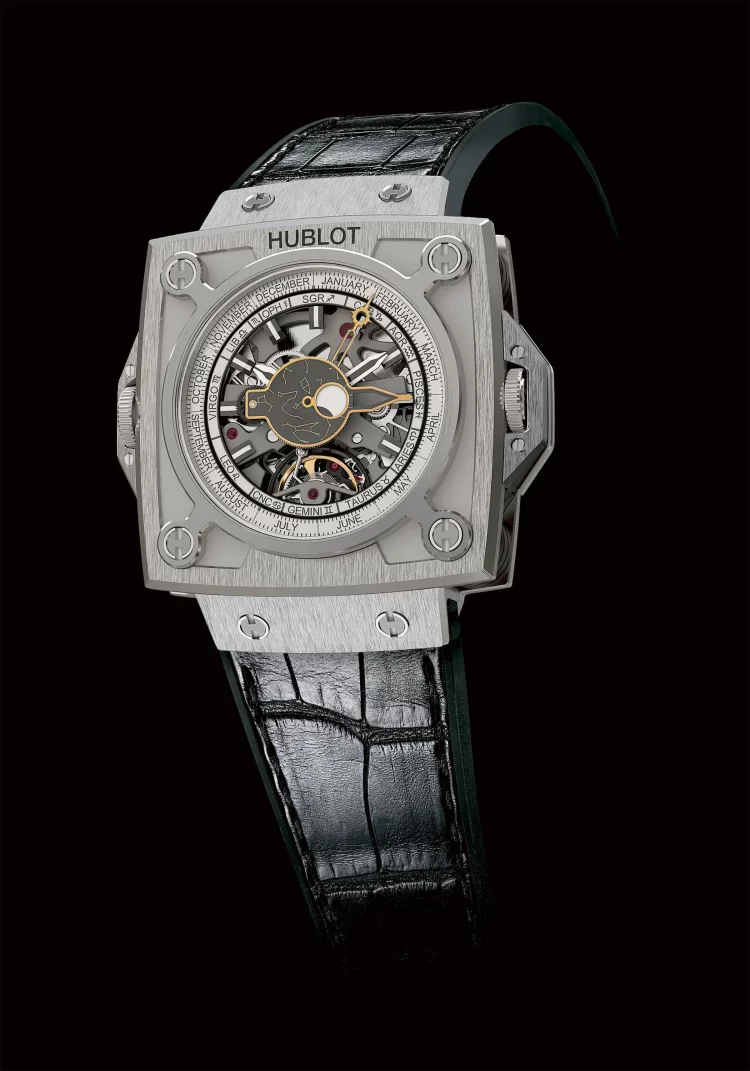
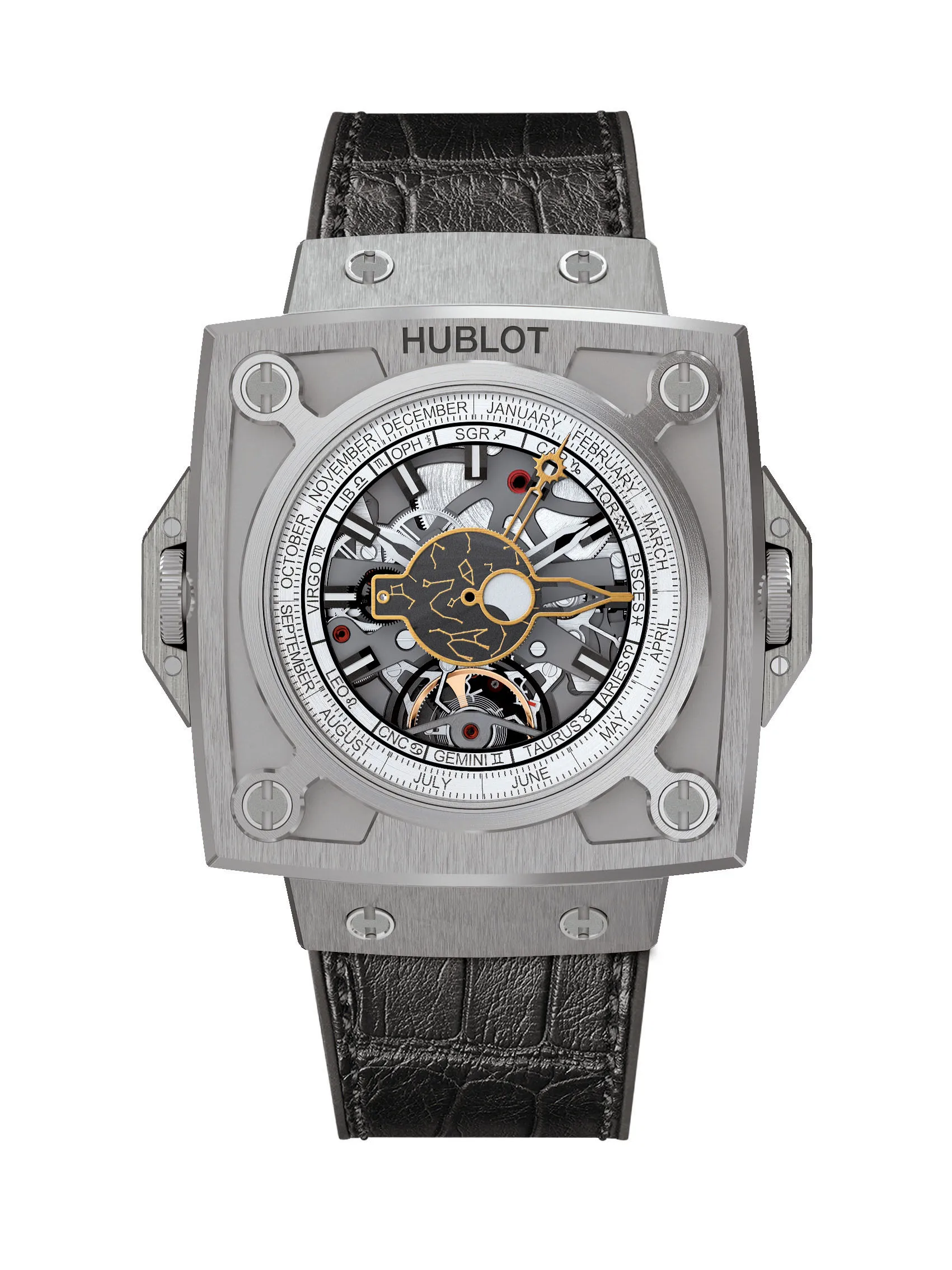
In 2012, the Swiss watchmaker unveiled the MP-04 Antikythera, a groundbreaking concept watch inspired directly by the famous ancient mechanism. Designed to reproduce the astronomical functions of its ancient predecessor on a wristwatch scale, the timepiece represented an extraordinary technical achievement.
The MP-04 Antikythera incorporated highly complex indications inspired by the original device, including displays linked to lunar cycles, eclipses, zodiac positions and astronomical calendars. Through this ambitious project, Hublot demonstrated how ancient scientific ingenuity could inspire modern haute horlogerie.
The Antikythera SunMoon Legacy
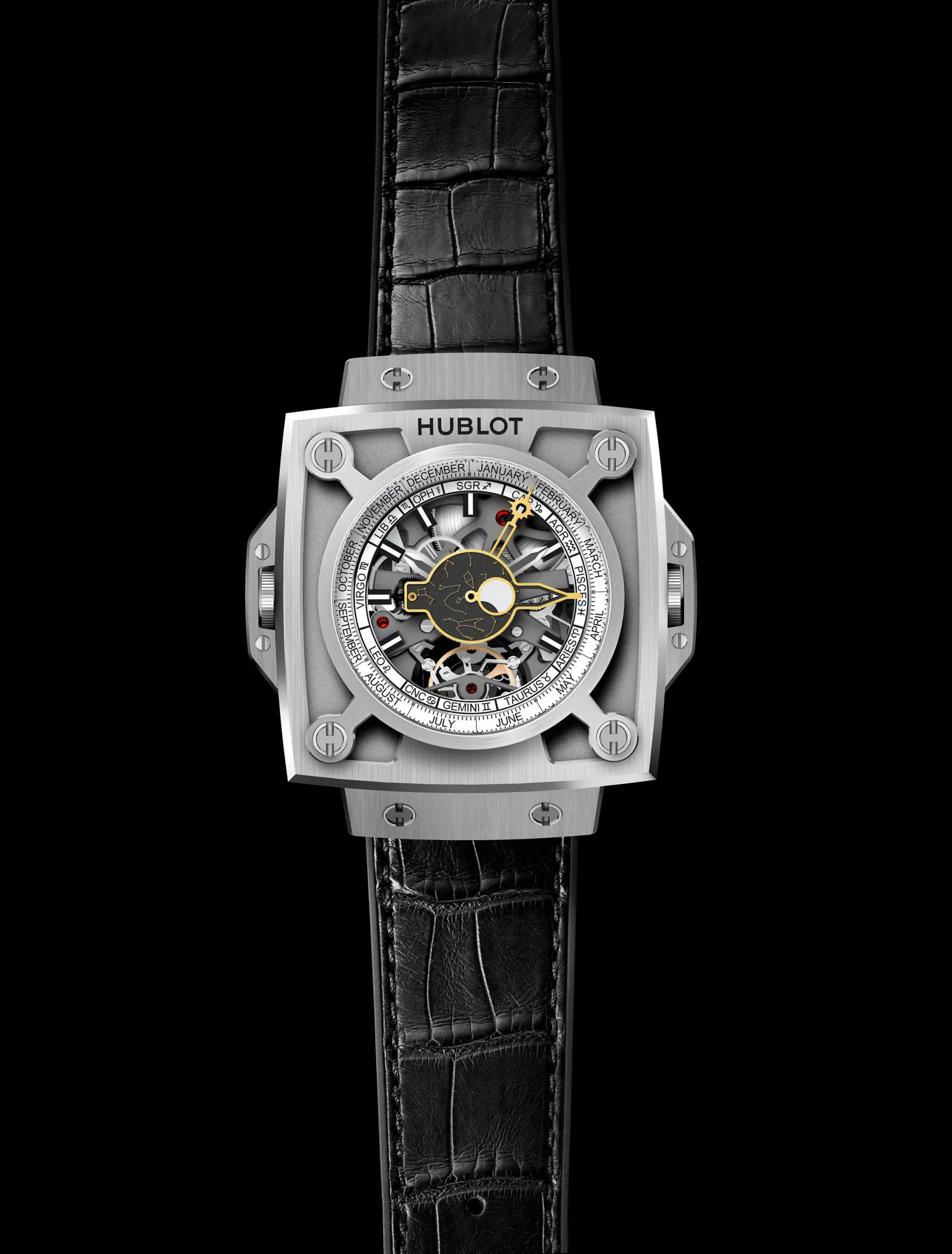
A year later, Hublot expanded the concept with the Antikythera SunMoon.
Inspired by the world of the Antikythera Mechanism, the watch features displays for both the sun and moon while offering a unique indication of the actual zodiac sign corresponding to a specific date. Unlike conventional zodiac interpretations, the watch takes into account the precession of the equinoxes, delivering a more scientifically accurate representation.
The Antikythera SunMoon remains one of the most unusual and technically fascinating creations in Hublot’s history, reflecting the brand’s passion for combining science, astronomy and watchmaking.
Innovation Beyond Traditional Watchmaking
The Antikythera project highlights a lesser-known side of Hublot’s activities.
Through Hublot Xplorations, the brand actively supports scientific research, technological development and cultural preservation initiatives. Beyond underwater archaeology, the programme has contributed to ambitious projects including the European Space Agency’s ExoMars mission, reinforcing Hublot’s commitment to exploration and discovery.
This approach reflects Hublot’s long-standing philosophy of the “Art of Fusion”, bringing together diverse worlds including technology, science, history and watchmaking.
A Modern Exploration of Humanity’s Relationship with Time
For watch enthusiasts, the Antikythera story offers a compelling reminder that the fascination with measuring time predates modern horology by centuries.
By supporting archaeological research and developing technologies that help uncover humanity’s scientific heritage, Hublot is contributing to a deeper understanding of one of history’s most remarkable achievements.
The Antikythera expedition is not simply an exploration of an ancient shipwreck. It is an exploration of humanity’s enduring desire to understand the cosmos, measure the passage of time and push the boundaries of knowledge.
In that respect, the mission embodies the very spirit of watchmaking itself.
Final Thoughts
Hublot’s involvement in Antikythera demonstrates how a modern luxury watch brand can contribute meaningfully to scientific research and cultural preservation while remaining connected to the values that define fine watchmaking.
Through Hublot Xplorations, advanced underwater technology and a shared passion for discovery, the brand continues to bridge the gap between ancient innovation and modern horology.
The result is a fascinating journey that reminds us that the quest to understand time is as relevant today as it was more than two millennia ago.