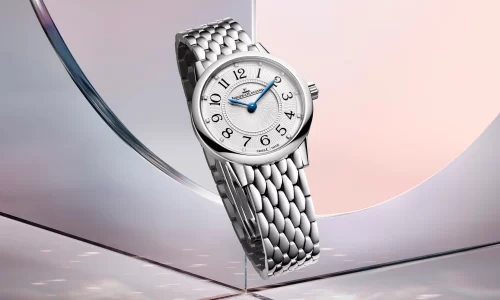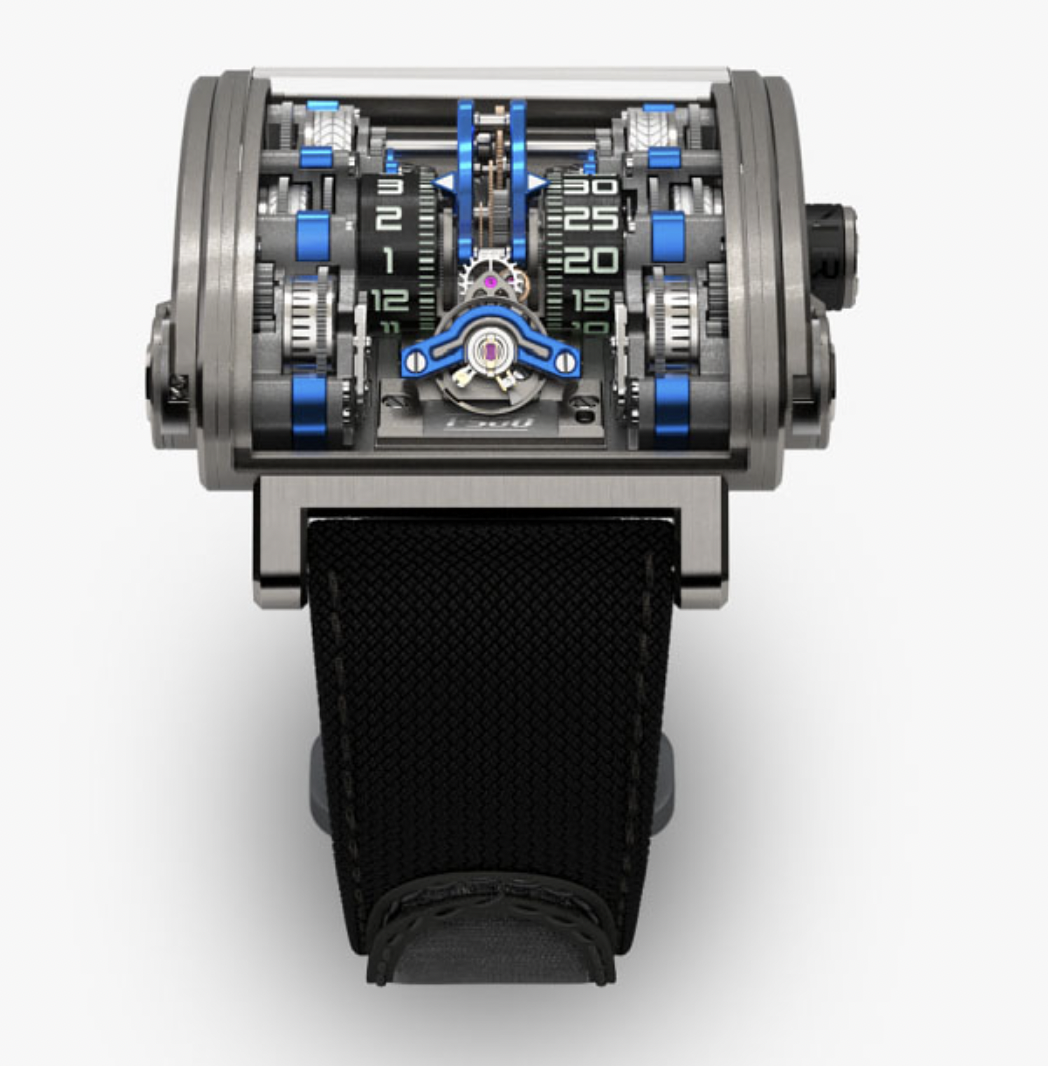
The landscape of luxury watchmaking in India is experiencing a seismic shift. What was once considered a gentleman’s domain is now witnessing unprecedented female participation, with women emerging not just as buyers, but as discerning collectors and brand ambassadors. This evolution presents challenges and golden opportunities for luxury brands seeking to capture this dynamic market segment.
The Numbers Don’t Lie: A Market in Transformation
The demographic transformation driving India’s luxury watch market is nothing short of remarkable. India’s luxury goods market, valued at USD 10.01 billion in 2024, is projected to reach USD 17.94 billion by 2033—representing a robust 6.37% CAGR (IMARC Group, 2024). What makes this growth particularly compelling is its composition: women now account for 53.9% of India’s luxury market share, fundamentally reshaping how brands approach this demographic (IMARC Group, 2024).
The statistics paint a compelling picture when you turn towards the watch industry for women in India. Female labour force participation has nearly doubled from 23.3% in 2017-18 to 41.7% in 2023-24 (Periodic Labour Force Survey, Government of India), creating a new class of economically empowered women who view luxury timepieces as both professional accessories and investment assets. While 28% of luxury watches sold globally are purchased for women (Deloitte Swiss Watch Industry Study, 2024), brands like Jaeger-LeCoultre command a striking 24% share of their overall sales in India from female consumers. This gap—four percentage points below the global average—represents untapped potential worth millions in revenue for luxury maisons.
This disparity signals a massive opportunity: India’s female luxury consumers are ready to spend, but brands haven’t fully adapted their strategies to capture this sophisticated demographic.
What’s driving this trend? The answer lies in understanding the unique preferences, aspirations, and cultural context of Indian women in luxury consumption. Unlike their global counterparts, Indian female watch enthusiasts often seek pieces that seamlessly transition from boardroom to ballroom, embodying both professional success and personal style.
Strategic Brand Movements: The New Wave of Female-Focused Initiatives
Piaget’s Celebrity-Driven India Strategy
Piaget, one of the most iconic watchmakers of the past century, is making calculated moves to enter the Indian market later this year with a focus on celebrity endorsements and haute horlogerie pieces that blur the lines between timepieces and jewelry. Their strategy recognizes that Indian women appreciate watches as fashion statements—sculptural pieces that tell stories of achievement and aesthetic sensibility.
Piaget’s Sixtie collection of watches for women reinterprets the brand’s 1960s designs with a modern twist. The collection features a trapeze-shaped watch with a supple bracelet, blending geometric design with precious metals. The name also suggests a connection to the 1960s, a period when Piaget was known for its ultra-thin movements and bold designs.
Van Cleef & Arpels: The Poetry of Time Arrives
Van Cleef & Arpels is planning to enter the Indian market soon, bringing its “Poetry of Time” philosophy to a market hungry for narrative-driven luxury.
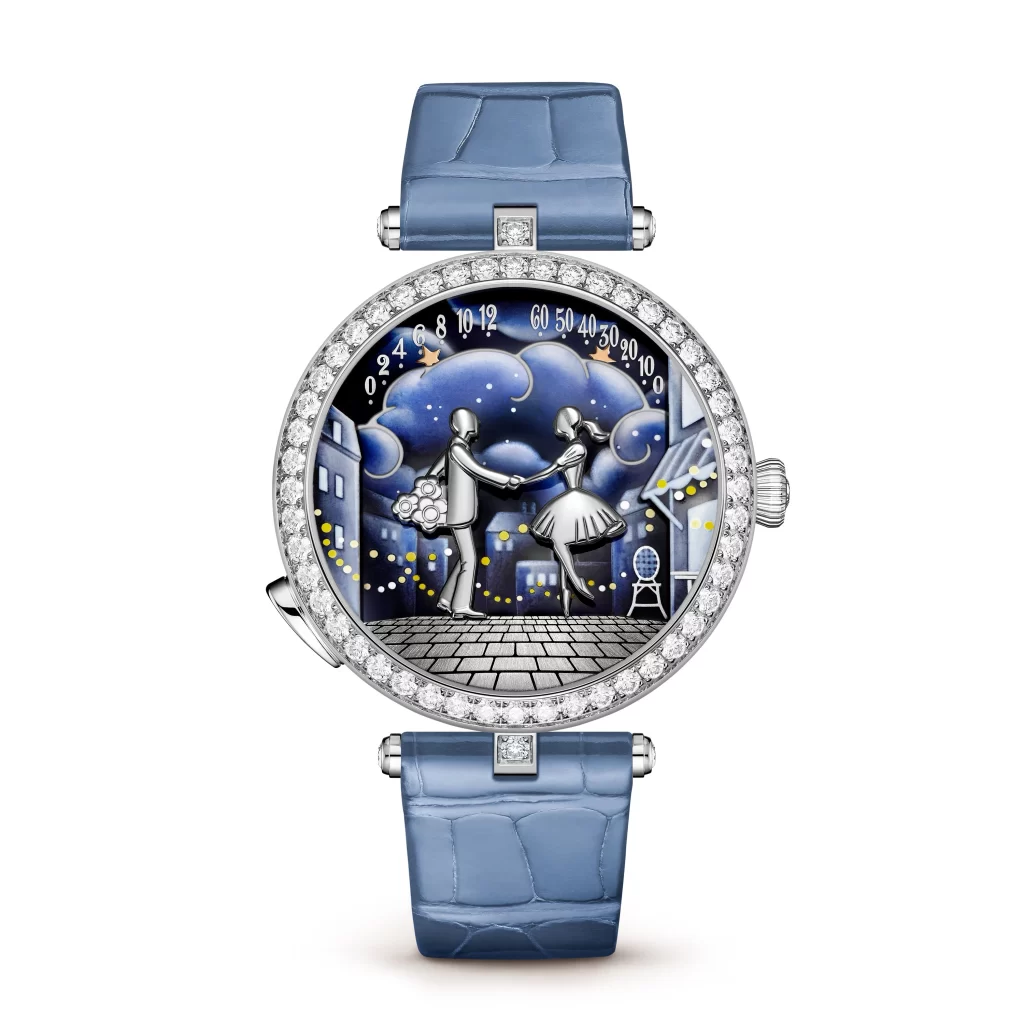
At Watches & Wonders 2025, Van Cleef & Arpels unveiled four new Pont des Amoureux variations featuring precious bracelets with diamonds and sapphires, capturing dawn, morning, dusk, and moonlight—time told through the poetry of love (Van Cleef & Arpels Press Release, April 2025). The maison also introduced the Lady Arpels Bal des Amoureux Automate, where lovers meet and kiss at noon and midnight beneath a starlit Parisian sky. These romantic narratives resonate deeply with Indian sensibilities, echoing the brand’s historic connection to India through legendary patrons like Sita Devi, the Maharani of Baroda, whose 1950s collaborations with Jacques Arpels created iconic pieces using emeralds from the Baroda royal treasure.
Cartier: The Crown Jewel’s Dominance
Cartier continues to outperform its Richemont siblings for the second consecutive year, posting robust growth while other luxury watch brands face sluggish performance (Richemont Q3 2024 Financial Report). This success stems from Cartier’s jewelry-forward approach to watchmaking—a strategy that resonates powerfully with Indian women who view luxury timepieces as extensions of their jewelry collections rather than purely functional accessories.
This trend signals a broader industry truth: jewelry-focused watch brands are thriving in markets where women drive luxury consumption. The lesson for other maisons is clear—technical prowess alone isn’t enough; emotional connection through design and heritage storytelling becomes paramount.
Digital Disruption Meets Traditional Craftsmanship
The rise of social media influence cannot be ignored. Indian women are increasingly discovering luxury watches through digital platforms, with online retail growing at double digits in the luxury segment (Bain & Company Luxury Report India, 2024). Brands must master the art of storytelling across both digital and physical touchpoints, creating immersive experiences that translate craftsmanship into compelling narratives.
Five Exceptional Women’s Watches Deserving Recognition
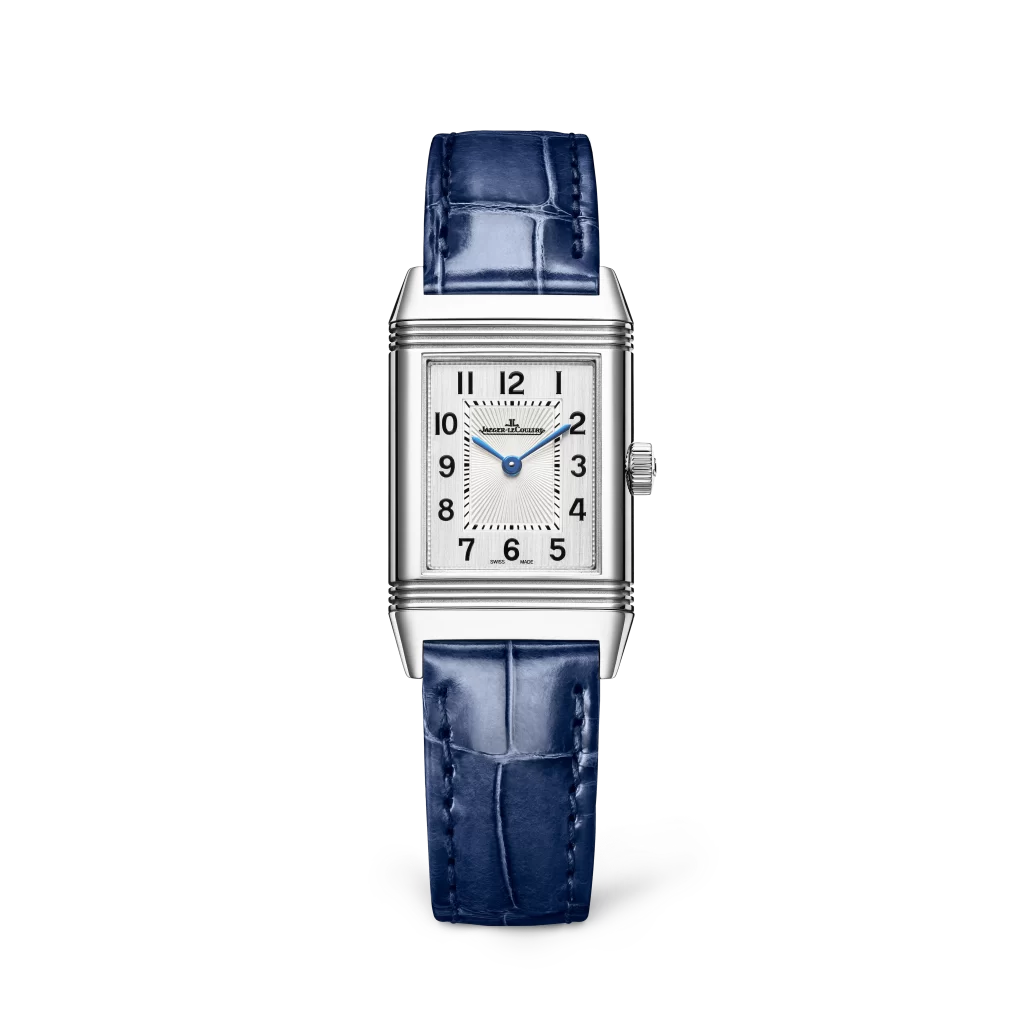
Jaeger-LeCoultre Reverso Classic Small
Heritage: Born in 1931 for polo players, the Reverso’s reversible case now symbolizes the duality of modern Indian women—professional and personal, traditional and contemporary.
Why It Deserves Attention: A watch with a deep connection to India, offers Art Deco elegance with Swiss precision. The ability to personalize the caseback makes it deeply meaningful for milestone celebrations.
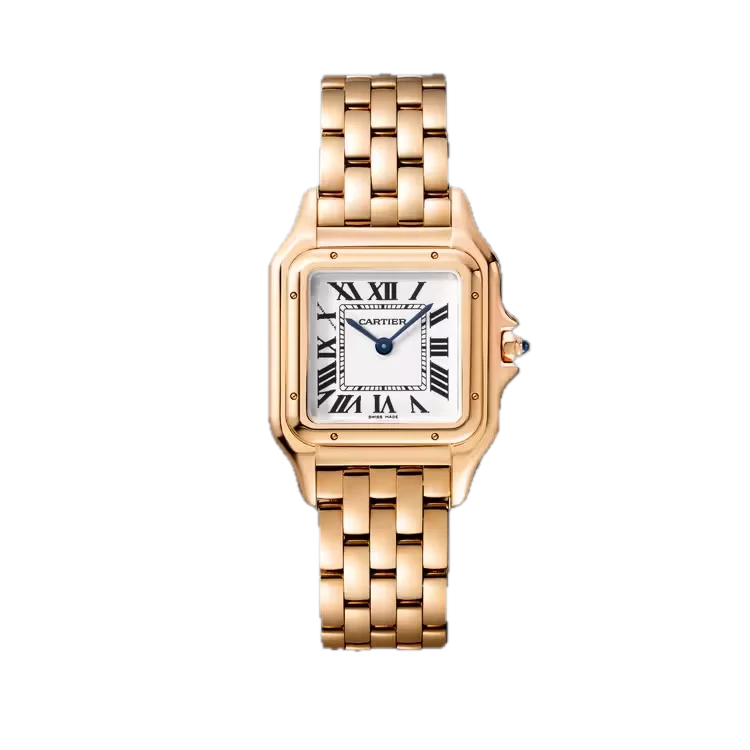
Cartier Panthère
Heritage: Inspired by Cartier’s iconic panther motif, representing feminine power and grace.
Why It Deserves Attention: The perfect “starter luxury watch” for professional women, offering timeless design that transitions effortlessly from boardroom to evening events.
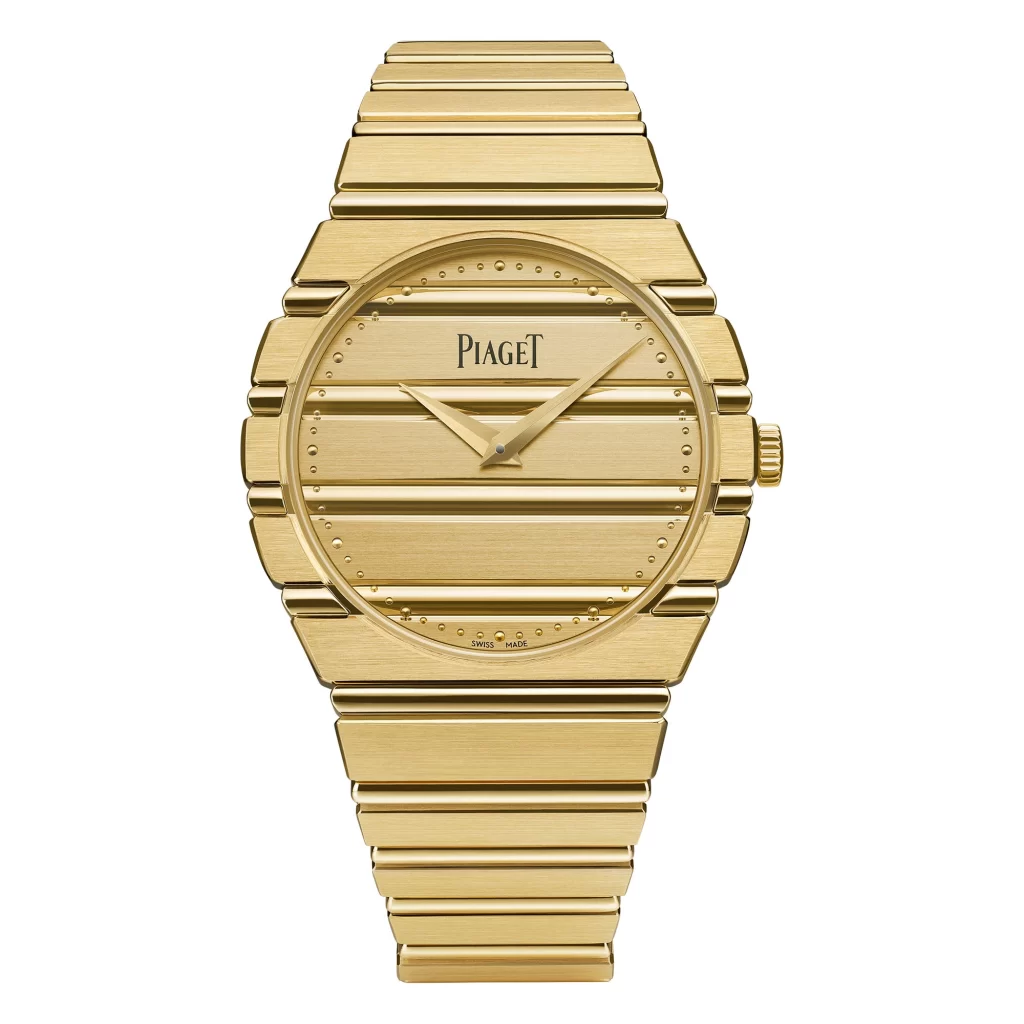
Piaget Polo 79
Heritage: Recently revived after 35 years, representing bold architectural design.
Why It Deserves Attention: The integrated bracelet design and ultra-thin profile appeal to women seeking statement pieces that don’t compromise on elegance.
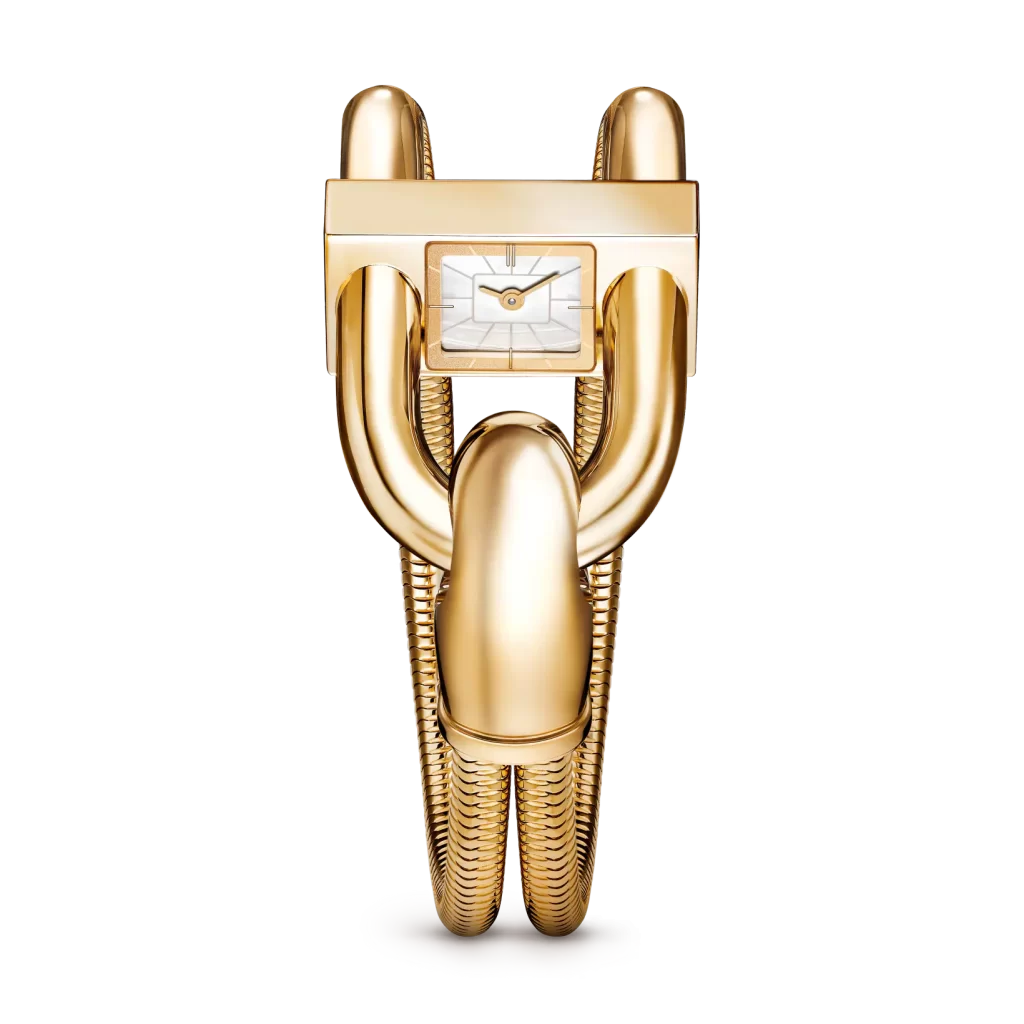
Van Cleef & Arpels Cadenas
Heritage: Created in 1935, embodying the maison’s jewelry savoir-faire.
Why It Deserves Attention: The ability to wear it as both watch and bracelet appeals to Indian women’s preference for versatile luxury pieces.
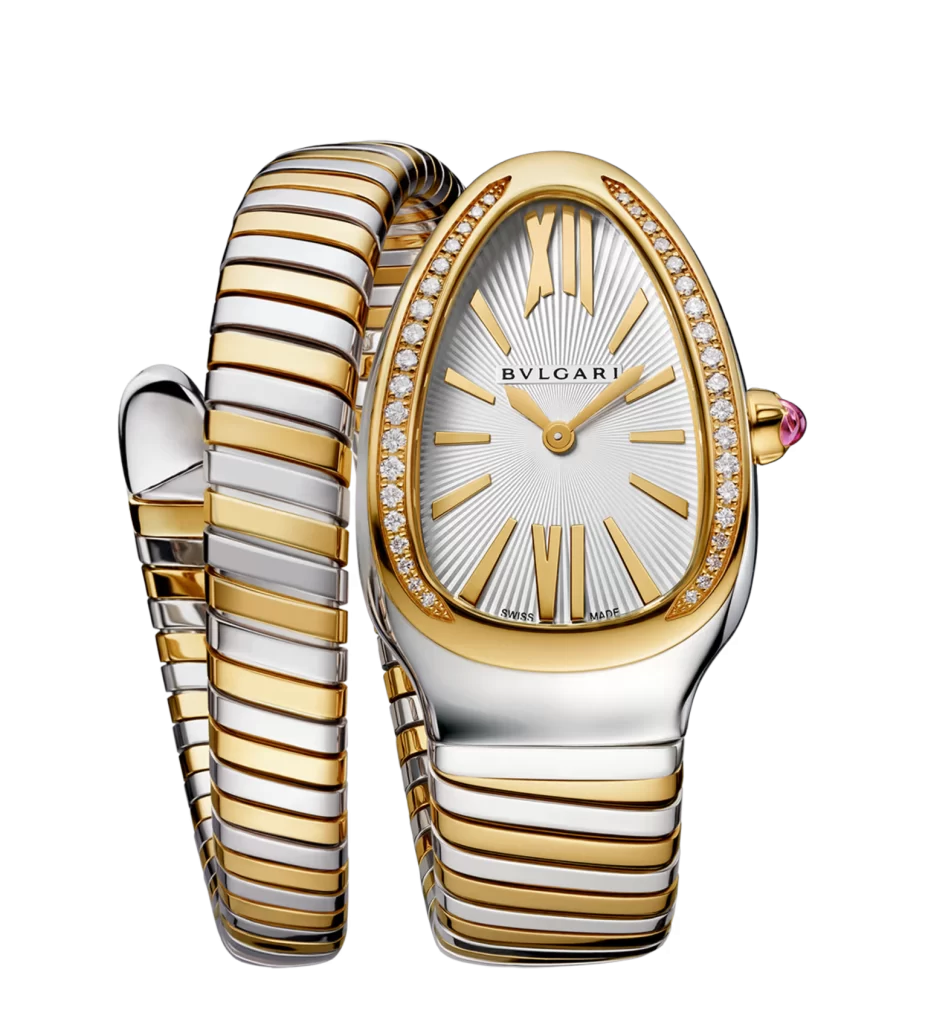
Bvlgari Serpenti
Heritage: Roman heritage meets Italian design mastery.
Why It Deserves Attention: The serpent motif resonates with Indian symbolism while offering contemporary luxury appeal, making it culturally relevant yet globally sophisticated.
The Path Forward: Actionable Strategies for Luxury Brands
Embrace Cultural Storytelling: Indian women respond to narratives that honor both heritage and innovation. Brands must weave their history with contemporary relevance.
Invest in Experience: Physical boutiques remain crucial. The tactile experience of trying luxury timepieces cannot be replicated digitally, especially for first-time buyers.
Celebrity Partnerships Matter: Strategic celebrity endorsements, when authentic, can drive significant awareness and aspiration among Indian consumers.
Digital-First Discovery: While purchase decisions happen in-store, discovery increasingly happens online. Brands need compelling digital narratives that drive foot traffic to authorized retailers.
Customization and Personalization: Indian luxury consumers value exclusivity. Offering personalization options—from dial colors to engraving—creates emotional connections that drive both purchase and loyalty.
The Indian women’s luxury watch market isn’t just growing—it’s evolving. Brands that recognize women as sophisticated collectors rather than occasional buyers, that understand the cultural nuances of luxury consumption in India, and that invest in authentic storytelling will capture the hearts, minds, and wallets of this influential demographic. The question isn’t whether this market will mature—it’s which brands will be bold enough to lead its transformation.
Sources:
- IMARC Group. (2024). India Luxury Goods Market Report 2024-2033
- Government of India. (2024). Periodic Labour Force Survey (PLFS) Annual Report 2023-24
- Deloitte. (2024). Swiss Watch Industry Study
- Richemont. (2025). Third Quarter Financial Results 2024
- Van Cleef & Arpels. (April 2025). Press Release: Watches & Wonders 2025
- Bain & Company. (2024). India Luxury Market Report